Highlights
Meta’s Superintelligence Lab Faces Challenges Following Key Departures
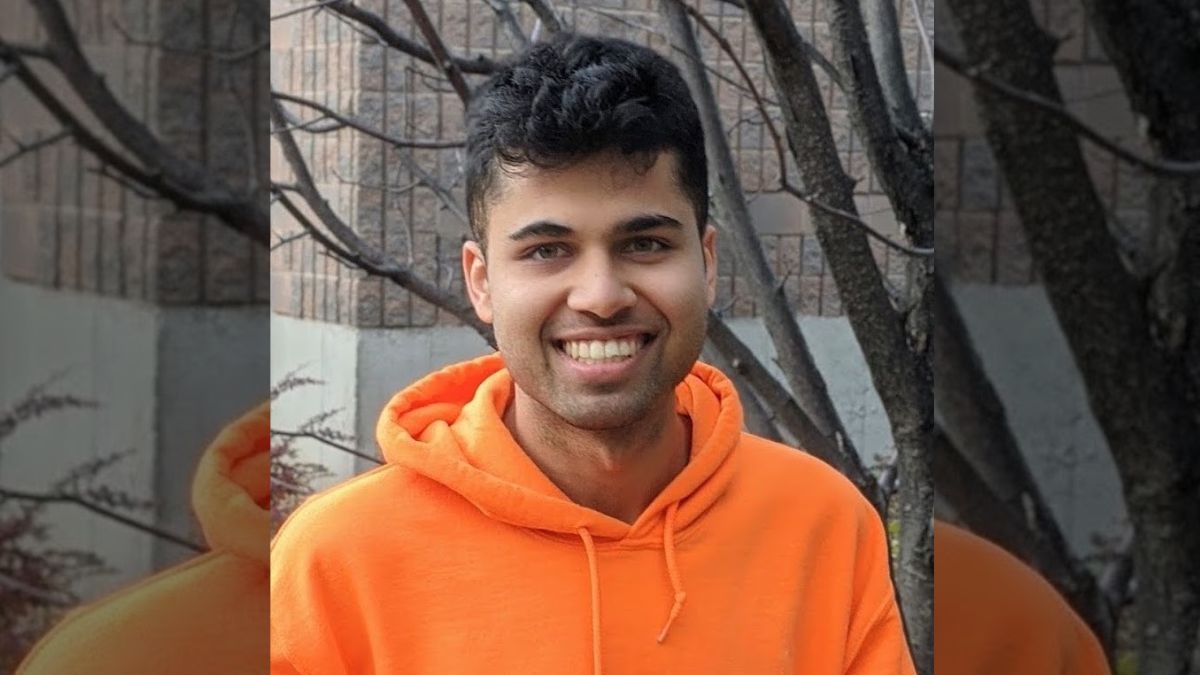
Meta’s initiative to create “superintelligence” is already encountering difficulties. Just five months after starting with a lucrative salary, AI researcher Rishabh Agarwal has opted to exit the newly formed Superintelligence Lab, a division that Mark Zuckerberg had highlighted as crucial to Meta’s future plans.
Agarwal shared his choice in a post on X, stating that it was a challenging decision to leave the new Superintelligence lab, particularly considering the talent and computational capabilities available. After spending 7.5 years at Google Brain, DeepMind, and Meta, he felt compelled to pursue a different kind of challenge.
Impact on Meta
This loss is significant for Meta. Agarwal was not merely another addition to the team. With an educational background from IIT Bombay and the Mila–Quebec Artificial Intelligence Institute, he has built an impressive career, including notable work at Google Brain, where his research in reinforcement learning gained widespread recognition, and at DeepMind, where he contributed to advancements in large language models. His recruitment by Meta in April was seen as a strategic win, signalling that Zuckerberg’s promise of substantial investments and unmatched computational resources could entice top talent from OpenAI, Google, and xAI.
Additional Departures
However, Agarwal’s departure is not an isolated incident. Reports from Wired indicate that at least three other researchers have recently left the lab. Notably, two of them, Avi Verma and Ethan Knight, have returned to OpenAI, highlighting the challenges of retaining elite researchers amid fierce competition for AI talent.
Zuckerberg’s Vision
Zuckerberg’s ambition to establish superintelligence, which was revealed two months ago, represented Meta’s most daring venture yet. He enlisted Scale AI CEO Alexandr Wang to assist in spearheading this initiative. The company aggressively recruited talent from rival firms with multi-million-pound compensation packages, shaking the industry with the speed of its hiring.
The Reality of Retaining Talent
Yet, the early departures underscore a key reality: exciting salaries and extensive computational resources may not suffice to retain premier researchers. The reasons for these exits are multifaceted, ranging from cultural alignment to the need for scientific independence, suggesting potential turbulence in Meta’s aspirations.
As for Agarwal’s future, his next move remains uncertain. Whether he joins a competitor, initiates a startup, or redirects his efforts towards academia, his exit encapsulates the instability of the AI arms race and the challenges even large tech companies face in retaining essential talent.