Highlights
iPhone 17 Review – A Significant Upgrade in Experience
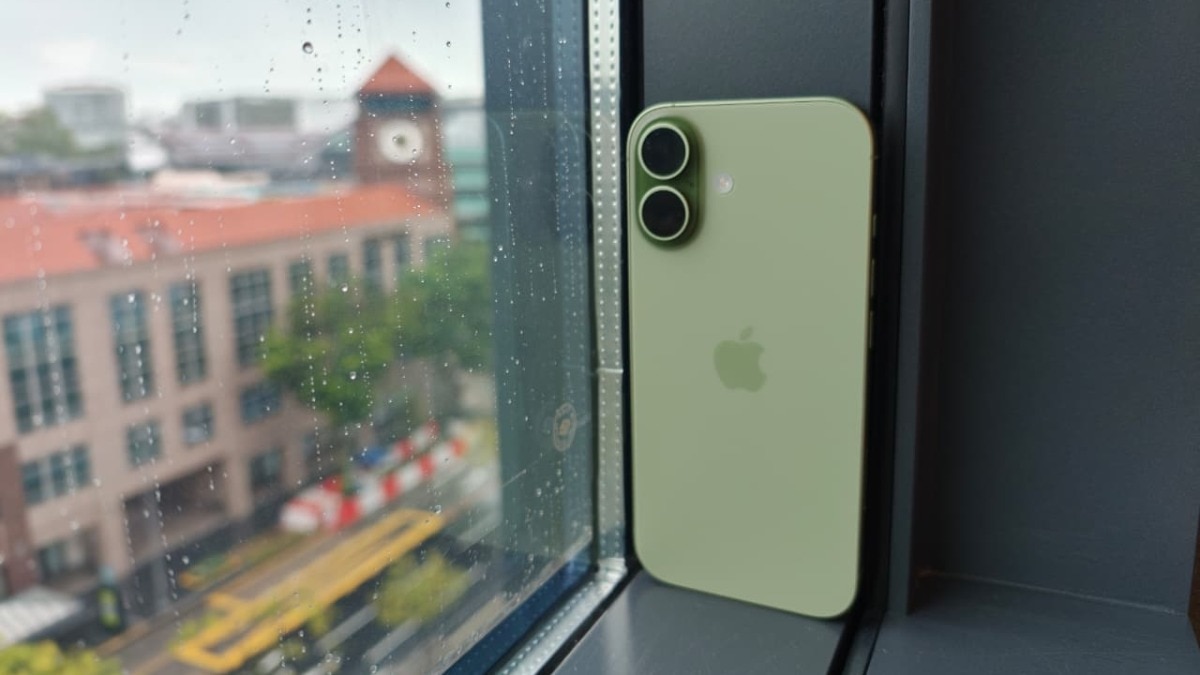
iPhone 17 reflects a genuinely substantial improvement, even if it doesn’t prominently showcase this in its design. Apple has integrated several much-needed features and enhancements that make this device genuinely enjoyable for long-term use.
The Smoothest Experience Yet
The most notable enhancement is one that enhances user experience rather than aesthetics. The iPhone 17 introduces 120Hz ProMotion display technology to the standard iPhone model. This feature, known for its higher screen refresh rate, has long been a hallmark of Pro models and many affordable Android devices. The difference is incredibly pronounced; scrolling through content and navigating the interface occurs with exceptional fluidity. Using an older iPhone with a regular 60Hz screen feels noticeably clumsy by comparison.
A More Personal Touch
Operating on the latest iOS 26, the iPhone 17 offers a significantly enhanced level of personalisation. The lock screen features innovative functionalities, allowing users to shuffle their photo collections throughout the day. A sophisticated depth effect adds a 3D quality to wallpapers, while the software dynamically adjusts the clock size to prevent it from covering essential areas of chosen images. These features contribute to a more unique user experience.
A Master of the Dark
The camera system frequently receives attention, and while the pricier iPhone 17 Pro models feature triple lens setups, the dual camera on the standard iPhone 17 performs admirably, especially in low-light conditions. The 48MP main sensor excels in dark environments, producing bright and detailed images without lengthy exposure times. It competes well with models like the Samsung Galaxy S25 and Google Pixel 10 in challenging lighting situations.
Nevertheless, photography enthusiasts might find some drawbacks. The Camera Control function, which allows adjustments of settings, remains unchanged from its launch with the iPhone 16. It depends on basic gestures for mode changes and zooming, which suffices for casual snapshots but can be frustrating for photographers seeking manual control over parameters like shutter speed, ISO, or focus. This limitation becomes evident when trying to capture subjects like the night sky, where the autofocus can falter without manual input.
The Intelligence Question
A rather puzzling element of the iPhone 17 is Apple’s strategy in artificial intelligence. Although iOS 26 introduced several new “Apple Intelligence” features, including real-time translation in messages and calls, there has been a noticeable absence of novel developments since the device’s release. While competitors such as Google rapidly enhance their AI-driven tools for advanced tasks like photo editing on the Pixel 10, Apple’s current offerings feel somewhat stagnant. The potential for time-saving features seen in rival devices is yet to be realised in the existing state of Apple Intelligence on the iPhone 17.
The Sweet Spot of the Range
Previously, the entry-level SE model represented the best value within the iPhone lineup. However, the landscape has shifted. The iPhone 16e, its successor, experienced a price increase that diminishes its appeal as a bargain. Meanwhile, the sleek iPhone Air commands a considerable premium for design but compromises on features such as camera capabilities. This positions the standard iPhone 17 well, as it starts at the same price as its primary competitors while providing greater base storage. It stands as the best all-around value in Apple’s current offerings, delivering significant upgrades and an excellent user experience without the premium “Pro” price tag.