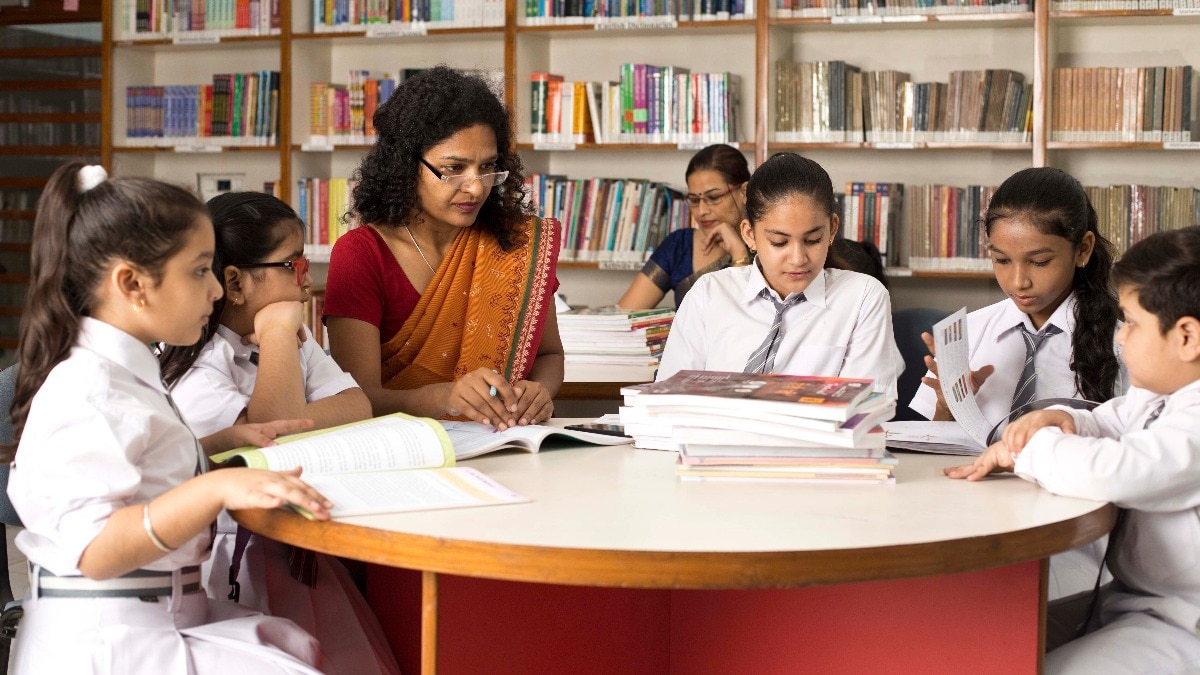
Incorporating manufacturing into educational programmes is essential, said an entrepreneur, with others expressing their support. Many believe that school curricula should also encompass lessons on interpersonal skills, financial literacy, marketing, and more, as echoed by netizens.
Manufacturing and import-export professional Prakash Dadlani proposed a beneficial idea that received endorsement from Zoho founder Sridhar Vembu. Dadlani expressed his desire for schools to teach manufacturing, stating that since they do not, he would take the initiative to offer lessons himself. He mentioned that he would instruct on how to “manage difficult suppliers, control margins, and ensure timely shipping,” which are crucial aspects not covered in traditional MBA programmes.
“After over 30 years on the factory floor, I’ve chosen to share insights that schools overlook,” he said. Dadlani’s initiative garnered overwhelming support and sparked a vital conversation on how educational institutions need to refine their curricula to align better with modern requirements.
“This is an excellent concept. Our fledgling manufacturing initiatives would greatly benefit from it, thank you!” noted Vembu. Several individuals also expressed their willingness to join Dadlani in this endeavour.
“A high school should organise at least one annual field trip to a factory or assembly line as part of its curriculum to motivate young talent,” suggested a user on X, while another remarked, “When real-world expertise transitions from factories into classrooms, the next generation won’t just learn about business — they’ll discover how to create it.”
Another user pointed out the necessity for advanced manufacturing in areas such as semiconductors, test equipment, antennas, sensors, and surface mount electronics. Many expressed concern over the emphasis on theoretical knowledge while neglecting practical applications. “A significant portion of formal education centres on theory and misses out on the essential ‘how-to’ of managing various operational facets. This knowledge will be crucial for establishing real-world businesses,” a user stated, while another highlighted that Indian education often focuses on theoretical learning and rote memorisation, overlooking hands-on skills.
“Children aren’t even taught basic skills like fixing a tap,” lamented another user, who also suggested that biotech and microeconomics should be part of the school curriculum.
While improvements have been made, such as integrating artificial intelligence into educational courses, there remains a substantial gap to fill. Recently, the Ministry of Education announced that artificial intelligence and computational thinking would be introduced in schools from Class 3 onwards, starting in the academic session of 2026-27. The Department of School Education & Literacy is collaborating with institutions like CBSE, NCERT, KVS, and NVS, as well as various states and union territories, to develop a comprehensive and inclusive curriculum.