Highlights
Student Hardship and Food Bank Use in Ireland
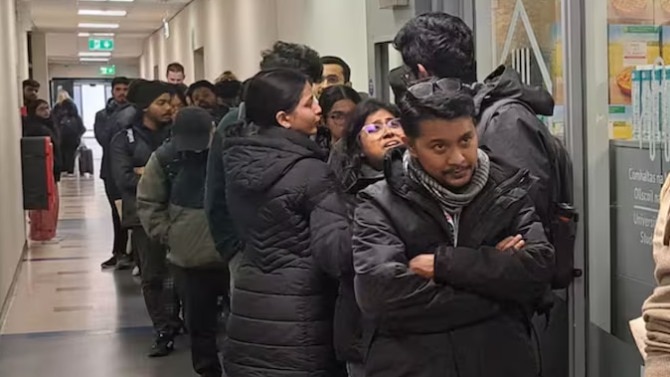
Student hardship is highlighted in a photograph of individuals waiting outside a campus food pantry in Ireland. This image has sparked a significant online discussion, centering more on the beliefs viewers held about the situation rather than the issue of student poverty itself.
The image was featured in a February 21 report by The Irish Times regarding the increasing demands on a student-operated food bank at the University of Galway. The article explained how the service, confronted with escalating need amidst a deepening cost-of-living crisis, had to turn away hundreds of students weekly.
Shortly after the report was published, the photograph began to circulate extensively on X, with some users speculating—without any proof—that numerous individuals in the line were Indian nationals on student visas. This caused a diversion from the broader matter of student difficulties.
The Reaction on Social Media
A post shared widely claimed that over 90% of those depicted were Indian students, questioning their financial independence. Another individual, referencing experiences at the London School of Economics and University College London, suggested that food initiatives there were similarly dominated by international students.
However, the original article did not disclose the nationalities of people in the queue, nor did it link the shortages at the food bank to international students. Instead, it concentrated on the increasing number of students from various backgrounds facing challenges with housing, groceries, and utility expenses.
A Similar Incident in Canada
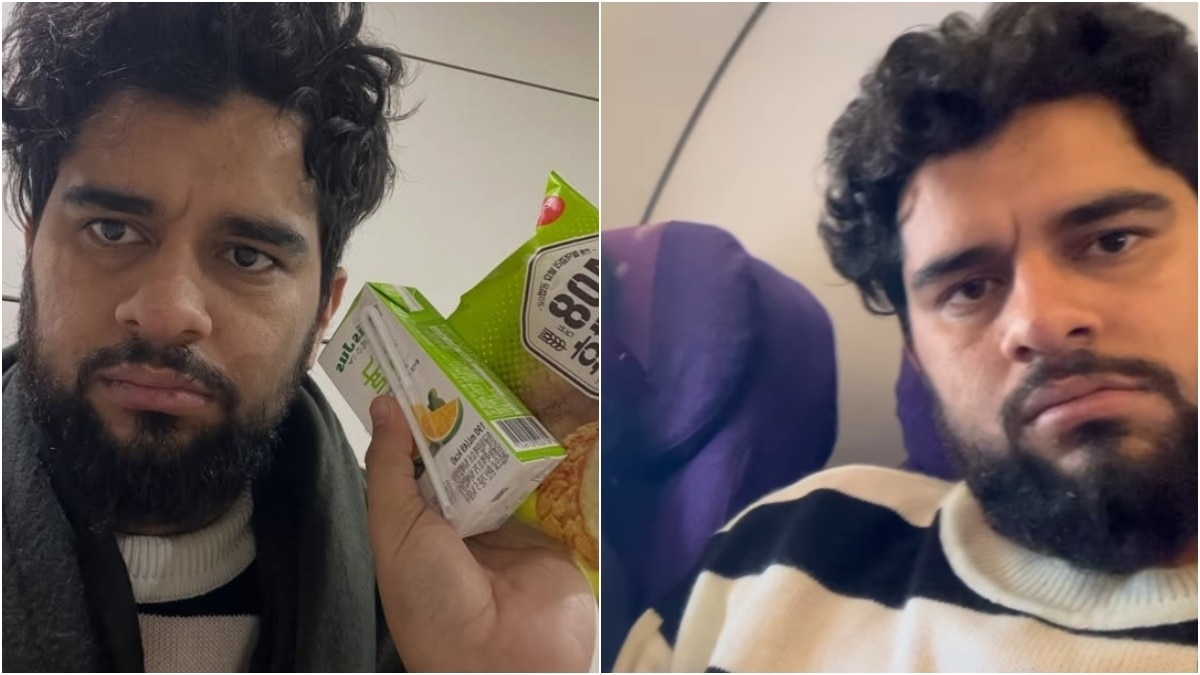
This debate mirrored a different situation in Canada in April 2024. An Indian-origin graduate student, Mehul Prajapati, received criticism after posting a video about using student food banks to manage his personal finances.
Prajapati, studying for a master’s degree and employed as a data scientist at TD Bank, shared footage illustrating how he saved substantial amounts each month by utilising food banks run by charities, churches, and student organisations. The video showcased bags of groceries, including fresh produce and canned items.
As the video gained traction, critics online argued that food banks were meant for individuals experiencing financial hardship, not for those with a salary. Social media users highlighted his employment and alleged salary, fuelling discontent and harassment that eventually prompted him to delete his LinkedIn account.
Both instances demonstrate how rapidly online narratives can emerge from images or brief videos, often disconnected from their original context. In the case of Galway, what started as a discussion about student hardship transformed into a contentious debate about immigration and entitlement, despite a lack of evidence connecting nationality to the increased strain on services.