Highlights
Oil at Risk: The Impact of Strait of Hormuz Tensions on the Global Economy
Oil is at risk due to the escalating tensions in the Strait of Hormuz, a crucial shipping route for oil that significantly affects the global economy. The implications of these tensions extend far beyond regional concerns, influencing oil prices and market stability worldwide.
The Importance of the Strait of Hormuz
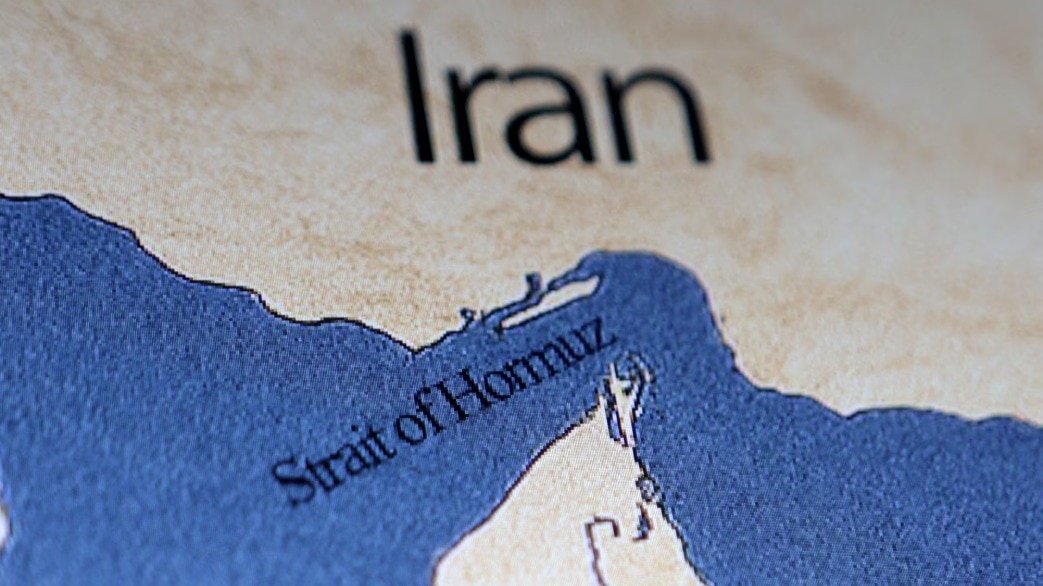
The Strait of Hormuz holds a pivotal role in international trade, especially for oil. Approximately 20% of the world’s oil supply passes through this narrow waterway. Any disruptions here can lead to a sharp increase in oil prices, impacting economies across the globe.
The Current Situation
Recent developments have raised alarms about the safety of navigation in this vital passage. With military activity and geopolitical tensions on the rise, concerns regarding the uninterrupted flow of oil have become more pronounced. Analysts predict that prolonged instability could have dire consequences for oil-dependent economies.
Potential Economic Effects
Should disruptions occur, the first effect would likely be a spike in oil prices. This increase would place additional strain on consumers and businesses, leading to inflationary pressures. Furthermore, countries heavily reliant on oil imports could face economic turmoil, affecting trade balances and currency stability.
The Ripple Effect
The consequences of rising oil prices extend into various sectors. Transportation costs would likely surge, influencing the prices of goods and services. Additionally, energy-intensive industries could see reduced profitability, leading to job losses and broader economic downturns.
Global Responses to the Crisis
In light of potential disruptions, countries are considering various strategies to mitigate impacts. These may include diversifying energy sources, increasing strategic oil reserves, and engaging in diplomatic efforts to reduce tensions in the Strait of Hormuz. The international community’s response will play a crucial role in stabilising the situation.
The Role of Alternative Energy Sources
As the risk to oil supplies grows, there is an increasing push towards renewable energy solutions. Many nations are investing in alternative energy sources to reduce their dependence on oil, aiming for sustainability and energy independence. This shift could lessen the adverse effects of future crises linked to oil supply disruptions.