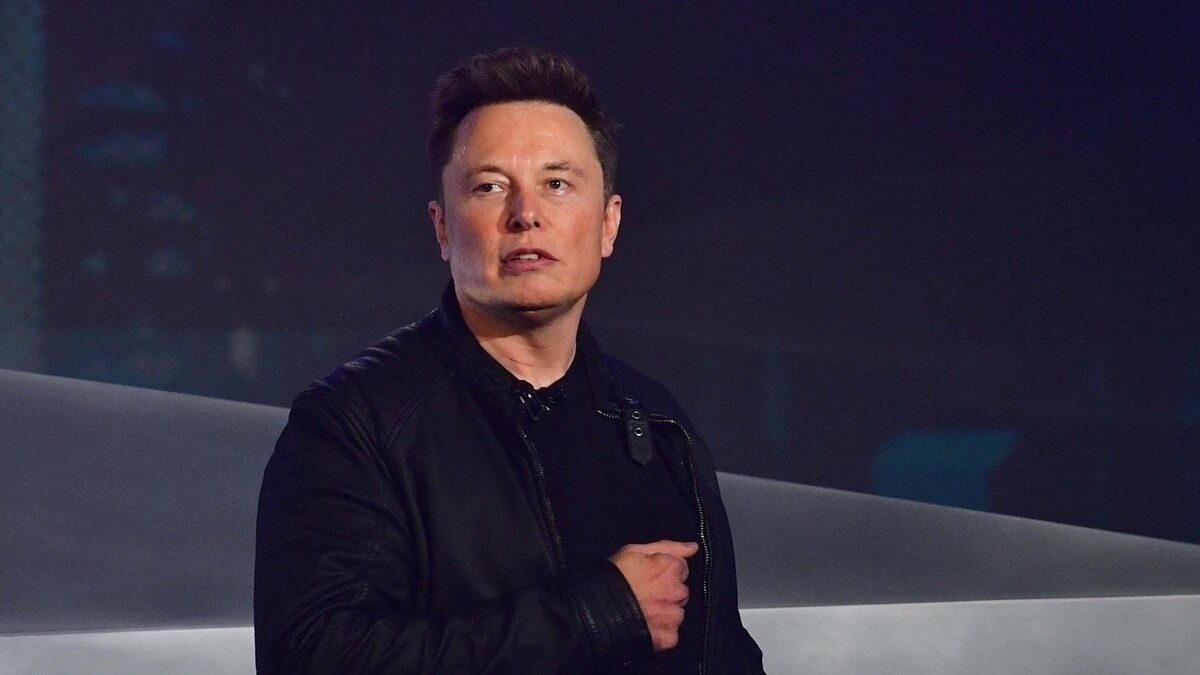
Elon Musk, the world’s wealthiest individual, has commented on the changing dynamics of the global economy, stating that the balance of power is shifting as emerging markets, particularly China and India, take the lead in economic growth.
Musk shared insights based on data that reveal a significant reorganisation of contributors to global real GDP growth anticipated for 2026. Figures from the International Monetary Fund (IMF) suggest that China and India are projected to comprise nearly 44% of the global economic expansion, signifying a rise in Asia’s influence while advanced Western economies contribute a considerably smaller share.
Leading this trend is China, expected to contribute 26.6% to global real GDP growth, followed closely by India at 17%. The combined contribution of these two Asian powerhouses stands at 43.6%, highlighting the substantial shift of economic momentum towards the east.
The United States, traditionally perceived as the foremost engine of global growth, comes in third place with merely a 9.9% contribution, which is less than a quarter of the total from China and India combined. Germany, recognised as Europe’s largest economy, ranks at the bottom of the top ten contributors with just 0.9%.
In addition to China and India, other emerging and middle-income nations are also making notable contributions. Indonesia is forecasted to add 3.8% to global growth, Türkiye 2.2%, and Vietnam 1.6%. Significant developing countries like Brazil and Nigeria are each expected to contribute around 1.5%, while Saudi Arabia is anticipated to offer 1.7%.
Cumulatively, the Asia-Pacific region is projected to account for approximately half of the global economic growth by 2026, reinforcing the notion that the world economy is increasingly influenced by demographic scale, urbanisation, and accelerated growth in emerging markets, as opposed to mature Western economies.
Musk’s succinct yet pointed observation reflects an emerging consensus among economists and policymakers: economic activity is progressively shifting from the transatlantic axis towards Asia and parts of the Global South. While the United States and Europe continue to play central roles in global finance, innovation, and trade, their relative contributions to overall growth are diminishing due to ageing populations and slowing growth rates.
This data also bears significant geopolitical implications. Economic growth often leads to enhanced political influence, investment capacity, and strategic leverage. As China and India solidify their positions as key drivers of global expansion, their impact on international institutions and discussions about global governance is likely to become more prominent.