Iran–Israel Conflict Explained: What Initiated the War
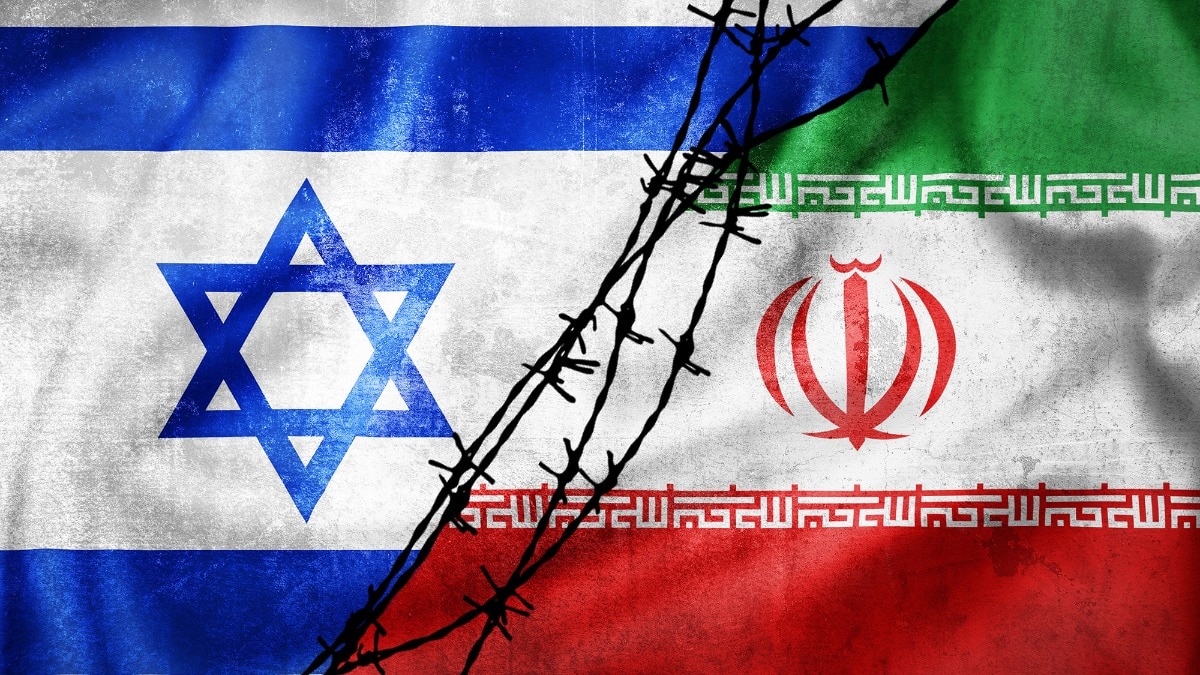
The Iran–Israel conflict has grown increasingly complex, marked by rivalry and geopolitical tensions over the years. Understanding what triggered this ongoing struggle is essential for grasping its implications.
Understanding the Roots of the Iran–Israel Conflict
The conflicts between Iran and Israel can be traced back decades, with foundational issues revolving around political and ideological differences. These long-standing hostilities have resulted in numerous confrontations and skirmishes.
Historical Context of the Rivalry
The rivalry escalated significantly after the Iranian Revolution in 1979, which transformed the country from a western-aligned monarchy to an Islamic Republic. This change shifted Iran’s stance and created deep-seated hostility towards Israel, which is viewed as a significant adversary in the region.
Key Events Leading to Escalation
Several pivotal occurrences have intensified the Iran–Israel conflict. Key among these events are military confrontations, intelligence operations, and cyberattacks that showcase the deep-seated animosity between the two nations.
Military Engagements and Tactical Incidents
Military actions, including airstrikes and missile attacks, have occurred as both nations vie for control and influence in the region. Israel has targeted Iranian military assets in Syria, aiming to disrupt Tehran’s operational capabilities.
The Impact on Regional Stability
The ongoing conflict between Iran and Israel significantly impacts the stability of the Middle East. The tension ripples across borders, affecting not only bilateral relations but also involving other regional powers and international stakeholders.
Global Reactions to the Conflict
Global reactions vary, with some nations backing Israel while others align with Iran, complicating the geopolitical landscape. The international community remains watchful, anticipating further developments in this intricate struggle.