
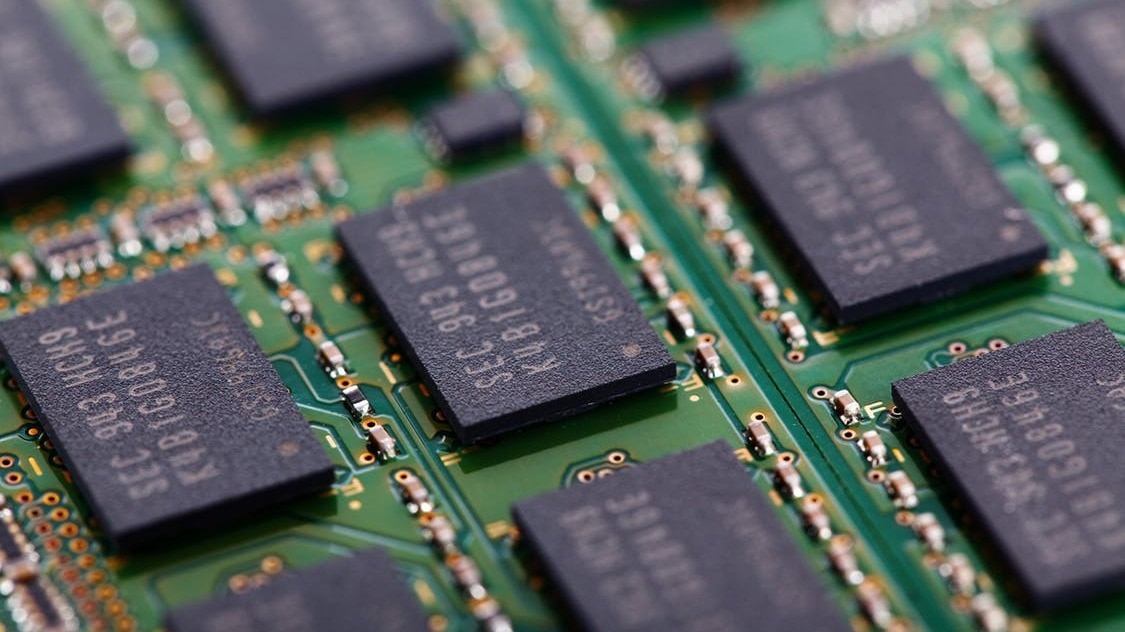
The smartphone market is currently undergoing a significant transformation, largely due to a severe shortage of RAM. This scarcity, primarily influenced by the increasing demands from the Artificial Intelligence (AI) sector, is expected to dramatically change device specifications and pricing. Analysts are predicting that the dominance of 16GB RAM devices may soon be a thing of the past, with some manufacturers likely reverting to 4GB configurations even in mid-range models.
Information from South Korean source Lanzuk (yeux 1122) indicates that by 2026, original equipment manufacturers (OEMs) may stop launching premium devices equipped with 16GB of RAM. This scarcity is largely attributed to the AI boom, where leading tech companies such as Google, Microsoft, and OpenAI are reallocating significant amounts of memory components to construct large data centres. These centres are essential for expanding their AI initiatives. Notably, these AI organisations are willing to pay extra for priority shipments, which leaves the price-sensitive consumer electronics market in a precarious position.
Smartphone manufacturers are already feeling the financial strain. iQOO India CEO, Nipun Marya, shared in a conversation with Gadgets360 that prices of memory components surged by 60% from September to November. As a result, OEMs are faced with two main tactics: either sharply increase handset prices or scale back hardware specifications to preserve profit margins. Speculation is growing concerning impending price increases for popular models, such as Samsung’s Galaxy A series and flagship devices like the Apple iPhone 17.
Reports suggest that the latter approach will significantly impact product line-ups. The variants with 12GB RAM may see reductions of over 40%, prompting brands to concentrate on 6GB and 8GB models. Even more strikingly, the ongoing shortage may lead to an unexpected situation: the reintroduction of 4GB RAM beyond entry-level devices as supply chains tighten further.
This situation illustrates a crucial shift in the technology supply network, where the demands of generative AI are now directly influencing the hardware specifications and pricing of consumer gadgets. For consumers, this could result in fewer high-spec options and elevated prices when the next smartphone upgrade cycle arrives, fundamentally altering the value proposition of new smartphone launches.