Highlights
AI Impact Summit 2026 Experiences Disruptions on Opening Day
The AI Impact Summit 2026, heralded as a pivotal event for policymakers, startups, and global tech leaders, faced considerable challenges on its first day. Logistical issues and security interventions caused frustration among attendees, leading many to question the management of this major tech gathering.
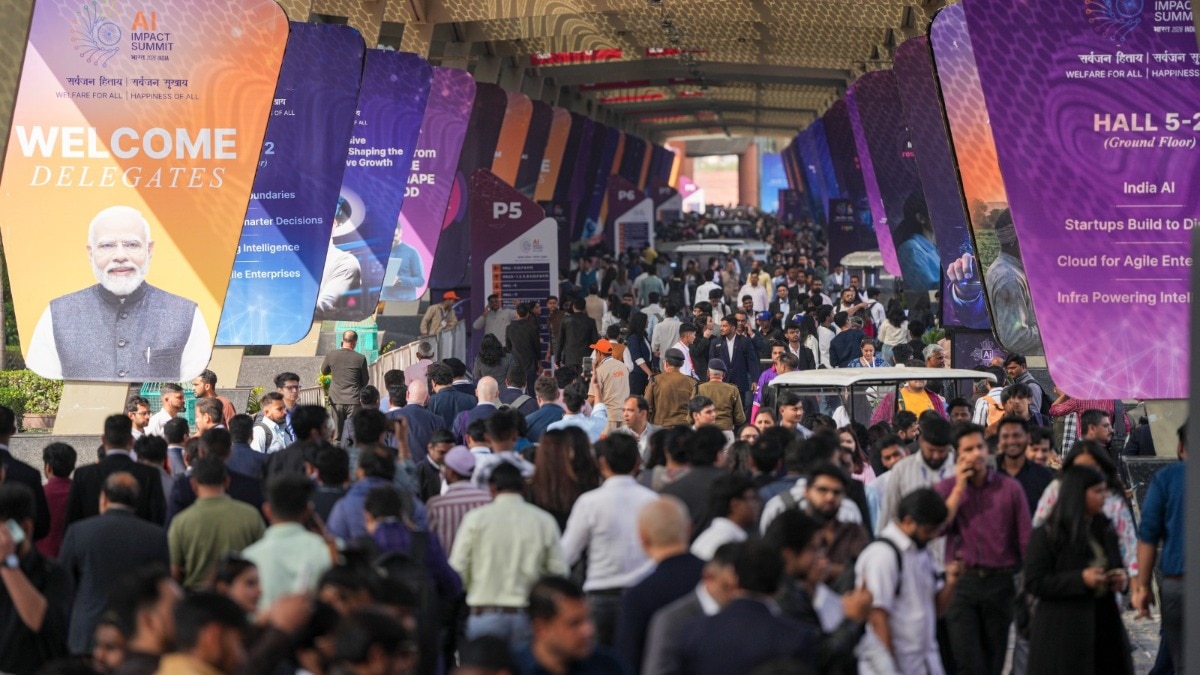
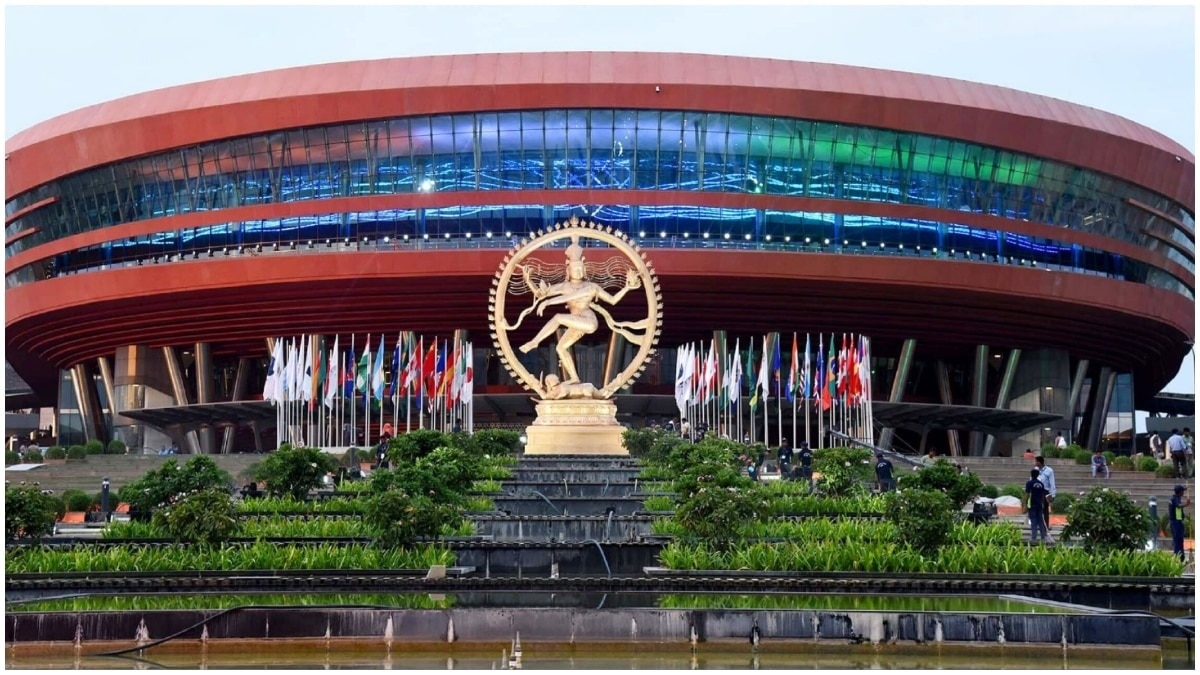
Conducted at Bharat Mandapam, the summit attracted significant crowds eager to engage in discussions about artificial intelligence, innovation, and India’s digital aspirations. However, many participants encountered lengthy queues from early morning, restricted access, unreliable internet connectivity, and confusion regarding movement within the venue.
Feedback from Founders on the Hurdles Faced
For startup founders who came from various parts of the country to present their innovations, the disruptions resulted in lost opportunities and, in some instances, financial setbacks.
Punit Jain, the founder of Reskilll, shared a detailed timeline of the day’s events via social media, pointing out the early morning queues, delayed access, and the eventual shutdown of entry points. He expressed dissatisfaction with what he viewed as a disconnection between the summit’s emphasis on empowering creators and the real experiences of the attendees.
Voicing Concerns on Social Media
Punit Jain highlighted the mismanagement stating that mobilising the ecosystem only to displace it does not reflect well on the summit’s intentions. He advocated for improved communication regarding restricted access to prevent unnecessary confusion.
Security Issues Affecting Startups
Dhananjay Yadav, the co-founder of NeoSapien, echoed similar sentiments, noting that security protocols unveiled significant coordination issues. He mentioned that conflicting instructions from different security teams during the evacuation forced startups to abandon their booths unexpectedly.
Yadav raised concerns about the safety of prototype AI wearables his company had brought, as they went missing during the restricted-access period. The startup had heavily invested in travel, logistics, and exhibition expenses, anticipating a pivotal opportunity in showcasing India’s burgeoning AI hardware landscape.
Frustrations with Basic Amenities
Participants also highlighted fundamental infrastructure shortcomings, such as limited access to drinking water, crowded food stalls, and reliance on cash payments. Numerous attendees remarked that such issues seemed out of sync at a summit dedicated to advancing digital transformation.
Yavanika Shah, recognised as one of Asia’s top legal innovators in 2023, observed the irony in the situation, as discussions about future-building inside conflicted with the chaos of traffic congestion and inadequate facilities outside.
A Disconnect Between Vision and Execution
The disparity between ambition and execution emerged as a recurring sentiment among attendees. Several founders noted that events aimed at displaying India’s technological advancement must also exemplify organisational excellence, particularly as the nation aspires to become a global leader in AI.
One delegate remarked while departing the venue that if AI’s purpose is to address real-world challenges, the inaugural test should have been the efficient operation of the summit itself.