
Wisdom and Knowledge: Essential Insights from Notable Books
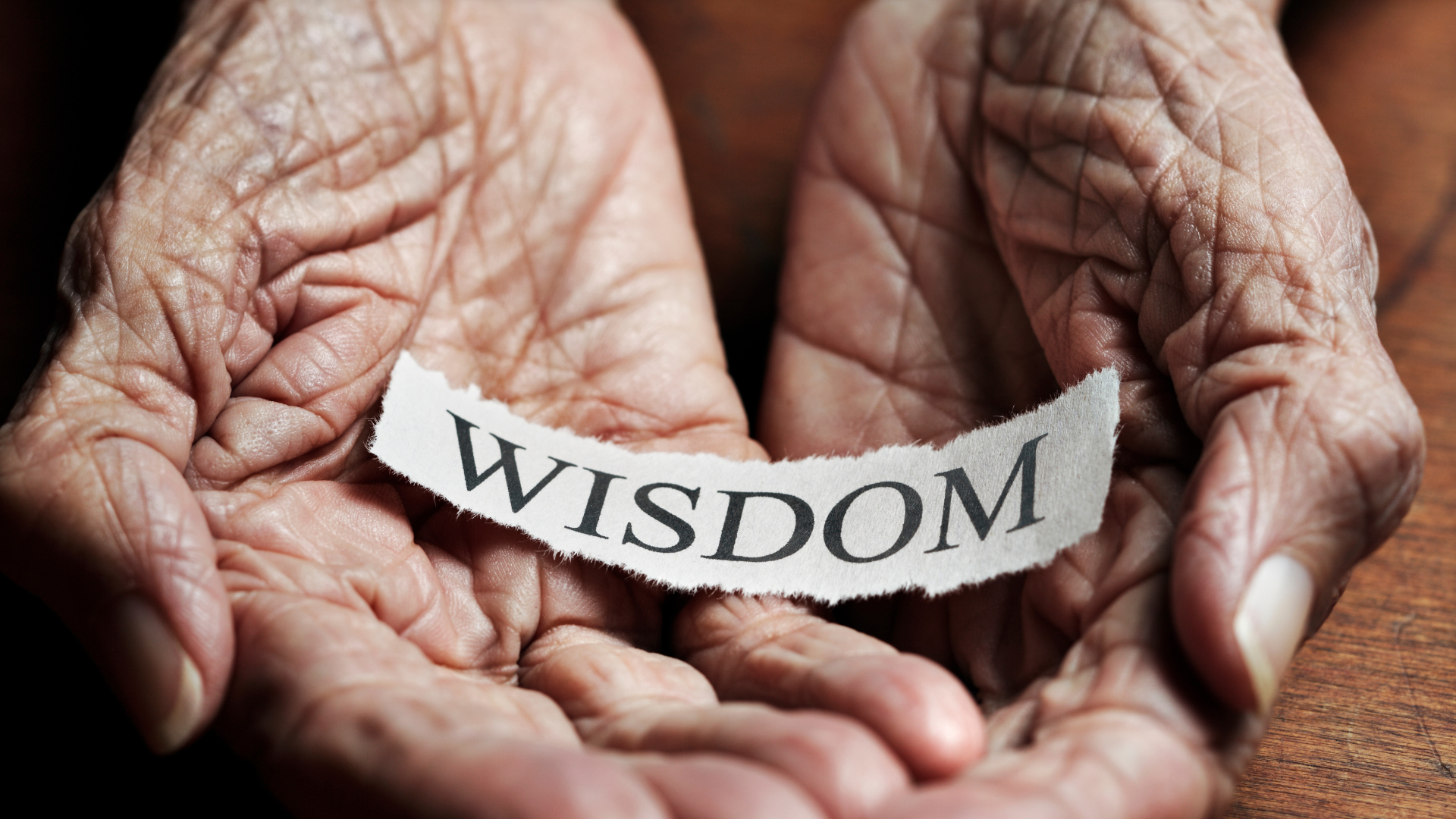
Wisdom is what truly sets individuals apart, especially in an era where information is readily accessible. Simply having facts at one’s disposal does not guarantee sound decisions, strong relationships, or a satisfying life. Wisdom encompasses the capability to utilise knowledge with discernment, insight, and clarity. Throughout history, philosophers have noted that knowledge is incomplete in the absence of wisdom to steer it. The distinction between knowledge and wisdom has long been acknowledged, where wisdom is often seen as the understanding of what is important and how to lead a good life.
Five Books on the Importance of Wisdom
1. The Road to Character by David Brooks
In The Road to Character, David Brooks delves into the traits that foster a meaningful life. He posits that contemporary society prioritises achievement, status, and external success, often neglecting humility, integrity, and moral depth. Through historical narratives, he illustrates that wisdom emerges not from mere information accumulation, but from cultivating character via struggle, self-reflection, and service to others. The book highlights that true development happens when individuals learn from missteps and nurture virtues that shape their decisions.
2. The Righteous Mind by Jonathan Haidt
Jonathan Haidt’s The Righteous Mind examines why intelligent individuals frequently clash over morality, politics, and religion. By integrating insights from psychology and philosophy, Haidt demonstrates that human emotions, intuitions, and social instincts influence reasoning significantly. The work teaches that wisdom involves recognising the limitations of one’s perspective while remaining receptive to diverse viewpoints. Rather than merely collecting information, wise individuals cultivate humility, question their beliefs, and appreciate the complexity of situations. This profound understanding of human nature makes the book a compelling exploration of practical wisdom.
3. The Art of Worldly Wisdom by Baltasar Gracián
First published in the seventeenth century, The Art of Worldly Wisdom stands out as a vital resource on judgement and practical intelligence. It is composed of short reflections and maxims that guide readers through life’s interactions and challenges with careful consideration. Gracián underscores that success often hinges not on one’s knowledge but on the effective application of that knowledge. His insights into human behaviour and decision-making remain remarkably relevant, illustrating that wisdom is about knowing when and how to act.
4. Thinking, Fast and Slow by Daniel Kahneman
Daniel Kahneman’s groundbreaking research investigates the two systems governing human thought processes. One system is quick, instinctive, and emotional, while the other is meticulous, analytical, and reasoned. The book unveils how cognitive biases can skew judgement, even with accurate information. Kahneman argues that knowledge alone does not safeguard against errors. Instead, wisdom necessitates an awareness of cognitive functions and the discipline to scrutinise assumptions before reaching conclusions. By aiding readers in recognising typical thinking pitfalls, the book reveals that wisdom arises from self-awareness and contemplation rather than intellect alone.
5. The Wisdom of Insecurity by Alan Watts
Alan Watts challenges the pervasive contemporary fixation on certainty and control. In The Wisdom of Insecurity, he asserts that many individuals pursue knowledge for a sense of security, while true peace resides in embracing the present moment. Watts merges Eastern philosophy with Western ideology, demonstrating that wisdom entails accepting uncertainty instead of resisting it. The text encourages readers to transcend mere intellectual comprehension and cultivate a profound awareness of themselves and their experiences.
Why These Books Matter
Knowledge equips individuals to comprehend their surroundings, but wisdom teaches how to traverse life’s complexities. Facts can guide, yet wisdom instructs on actions, values, and responses to challenges. The insights from these five books reveal that wisdom is fundamentally linked to judgement, self-awareness, humility, and personal experience. Both ancient and modern thinkers have affirmed that practical understanding and sound judgement bear greater significance than the mere possession of information.