
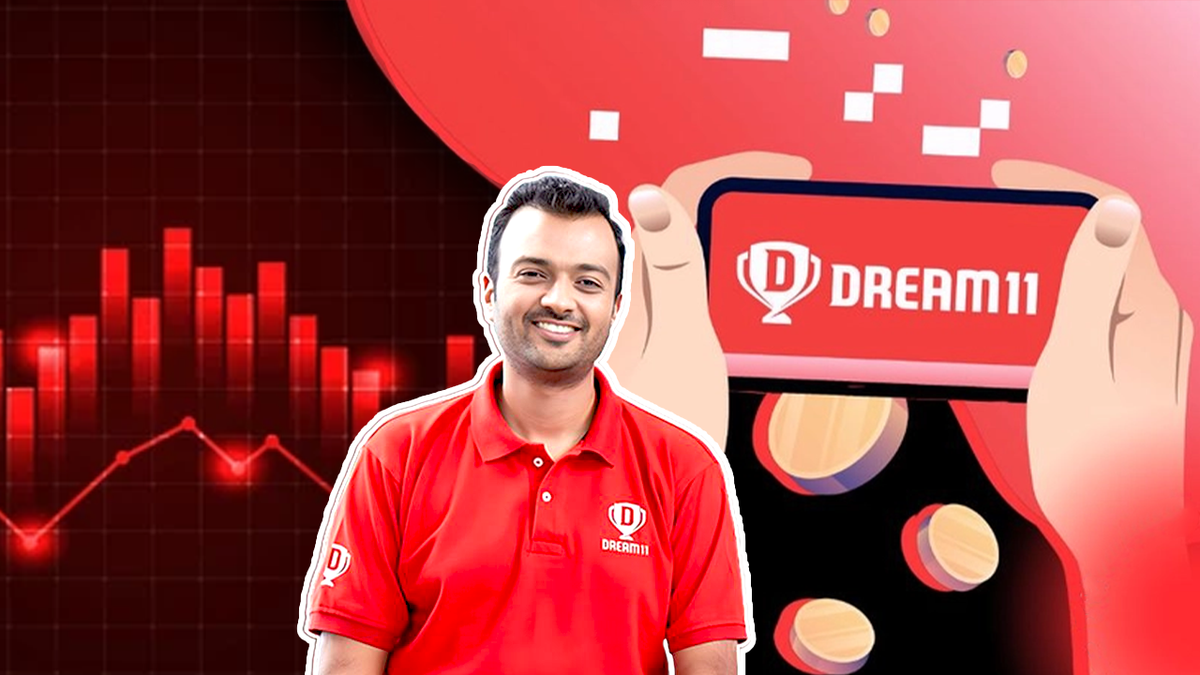
Dream Sports Expands into Stockbroking with Dream Street
Dream Sports, the parent company of Dream11, is venturing into the stockbroking industry with the launch of a new platform, Dream Street. This initiative forms part of its strategy to broaden its horizons beyond gaming and to compete with major players such as Groww and Zerodha. The introduction of Dream Street is an extension of its financial services initiative, Dream Money, which was launched in August 2025, marking the company’s entry into wealth management through various investment and advisory services.
Targeting Retail Investors with Dream Street
The new platform, Dream Street, aims to attract retail investors and capitalise on the extensive user base that Dream Sports has cultivated through its fantasy sports offerings. According to Moneycontrol, which was the first to report this development, Harsh Jain, CEO of Dream Sports, confirmed that the company has acquired all necessary licences and is currently in the process of internal product testing, with a public launch anticipated shortly.
Leadership and Structural Changes
As part of this venture, Rahul Mirchandani, the chief product officer at Dream Sports, will lead the brokerage sector as CEO. This announcement comes after a significant restructuring effort within the company, which involved reorganising operations into multiple standalone units following the exit of over 100 executives. The strategic shift was aimed at creating new revenue avenues as regulatory changes had a detrimental impact on the company’s core real money gaming operations.
Impact of Regulatory Changes on Revenues
The initiative comes in the wake of a ban on real money gaming in August 2025, which significantly disrupted revenue streams and prompted the shift in focus towards investment and wealth products. In FY25, Dream11 reported a 15% decline in operational revenue, totalling Rs 6,759 crore, compared to Rs 7,934 crore in the previous fiscal year. Remarkably, FY25 concluded just months before the implementation of the gaming ban. During that fiscal period, the company encountered losses amounting to Rs 479 crore, contrasting with a profit of Rs 1,295 crore in FY24. This downturn was attributed to a one-time tax expense and director benefits.