Highlights
Uber India Investment Amid Competition in Ride-Hailing Market
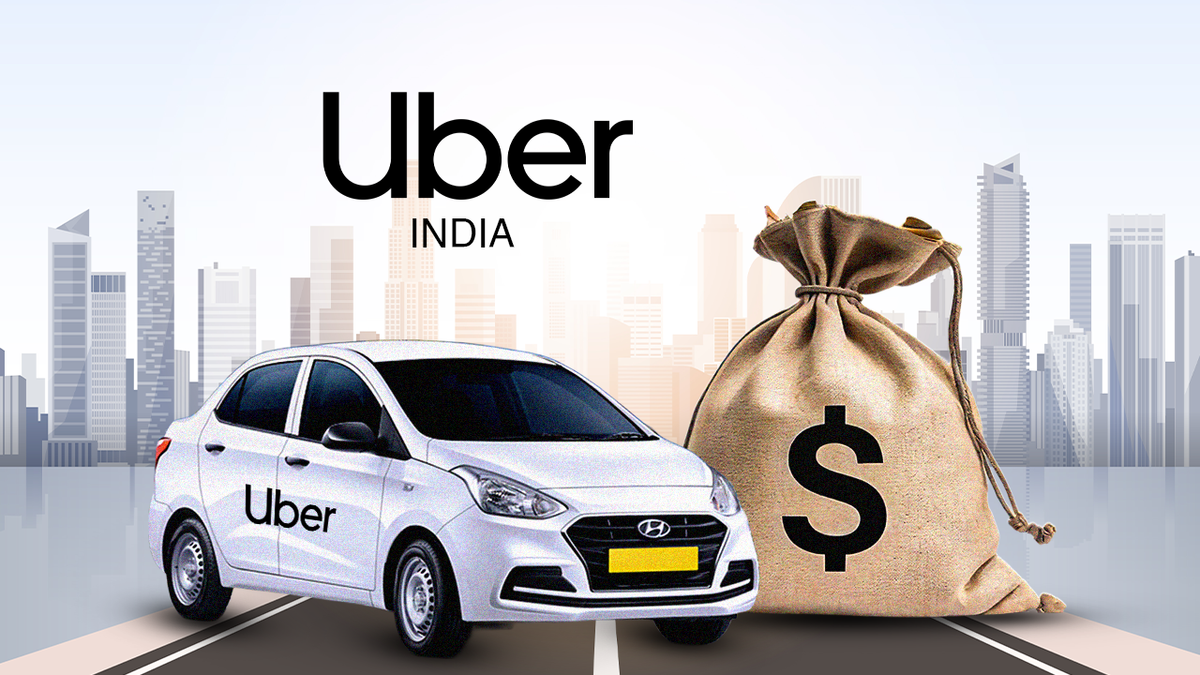
Uber India has made a significant investment of nearly Rs 3,000 crore (approximately $330 million) into its subsidiary, Uber India Systems Pvt Ltd, as the competition intensifies within the ride-hailing sector. This comes as Rapido rapidly expands its market share.
The board of Uber India allocated 14.4 million equity shares at an issue price of Rs 2,022.85 each, raising Rs 2,921 crore, as stated in their filing with the Registrar of Companies (RoC). The parent company, Uber B.V., contributed the aforementioned amount through two phases. The first phase involved Rs 200 crore in November, followed by a substantial Rs 2,721 crore in January this year.
This crucial investment arrives at a time when Uber India Systems Pvt Ltd experienced an alarming 89% drop in net revenue from ride-hailing, falling to Rs 88 crore in FY25 from Rs 807 crore in FY24. Notably, this sharp decline occurred despite the ride-hailing segment’s gross revenue (commissions from rides) remaining stable at Rs 2,604 crore during the same period.
Rivals Gaining Ground
In contrast, Rapido has surpassed Rs 1,000 crore in revenue in FY25, sharply increasing its market share. The company recently raised Rs 125 crore in June 2025 from Nexus Venture Partners. Additionally, Swiggy offloaded its stake in Rapido to Prosus and WestBridge Capital, achieving over 2.5 times return on its investment.
Reports indicate that Uber India Systems Pvt Ltd captures approximately 45% of the four-wheeler ride-hailing market, while Ola holds a 25–30% share. Rapido, which entered the cab space in late 2023, has quickly secured over 20% of the market.
Overall, Rapido stands out as the largest ride-hailing platform in India by the total number of rides, boasting a 50% market share compared to Uber’s 40%. The company has established a strong presence in both the bike and three-wheeler sectors, commanding over 65% market share. Dara Khosrowshahi, Uber’s chief executive officer, acknowledged that Rapido poses a significant challenge for the global ride-hailing leader.