Highlights
Electric Vehicle Adoption in Tier II Cities in India
Electric vehicle adoption in Tier II cities in India is witnessing rapid growth, marking a transformative shift in the nation’s transport landscape. Reports show that these cities are becoming important hubs for electric two-wheelers. In fiscal year 2023, Tier II and III cities made up 49% of electric four-wheeler registrations, which rose to 58% in fiscal year 2024.
Current Landscape of Electric Vehicle Adoption
Growth in Tier II and III Cities
Recent studies reveal that Tier II cities in India are proving to be vital markets for electric two-wheelers. Data from Bloomberg NEF indicates that sales of electric two-wheelers in cities like Jaipur, Surat, and Nagpur have surpassed those in larger metropolitan areas. By November 2024, Tier II and III cities are projected to account for over 65% of electric four-wheeler registrations, demonstrating a clear trend towards the acceptance of electric vehicles as a cost-effective and eco-friendly transportation solution.
Market Dynamics
Electric two-wheelers lead the Indian EV market, comprising nearly 60% of new electric vehicle sales. The demand is particularly strong in smaller urban centres, where two-wheelers provide affordable and convenient travel for short distances. Additionally, the total cost of ownership for electric two-wheelers is significantly lower than that of conventional internal combustion engine vehicles, making them an appealing choice for many consumers.
Government Support and Policy Framework
Government initiatives play a crucial role in promoting the adoption of electric vehicles. The Faster Adoption and Manufacturing of Hybrid and Electric Vehicles (FAME-II) scheme has provided substantial subsidies, reducing the initial costs of electric two-wheelers by as much as 20%. Complementary support at the state level further encourages the uptake of EVs, including reduced road taxes and incentives for local manufacturing.
Challenges to Adoption
Infrastructure Gaps
Despite the rise in electric vehicle use, various challenges hinder broader adoption in Tier II and III cities. A significant concern among potential customers is the inadequacy of charging infrastructure. While larger cities are increasingly adding charging stations, smaller towns often have limited access to public charging facilities. However, the smaller land area of these cities means that comprehensive charging networks may not be as urgent compared to major metropolises like Delhi or Bengaluru. Furthermore, home charging options are more practical in these areas, where many residents have independent houses and dedicated parking spaces, making it easier to install chargers.
Financial Barriers
Affordability is a major issue for electric vehicle adoption in India, especially in rural areas. Many potential buyers find electric vehicles financially inaccessible due to higher upfront costs and a lack of comparable financing options to those available for internal combustion engine vehicles. Although the ongoing operational savings are appealing, many consumers remain deterred by the initial investment.
Strategies for Enhancing Adoption
Development of Affordable Solutions
To foster electric vehicle adoption in rural India, auto manufacturers should concentrate on creating cost-effective models that cater to the needs of consumers in smaller towns. This entails producing entry-level electric two-wheelers with simpler specifications, while ensuring quality and performance that rivals traditional ICE two-wheelers.
Expanding Financing Options
Introducing flexible financing solutions can alleviate concerns regarding high upfront costs for potential buyers. Micro-financing models or collaborations with local public and cooperative banks can provide better access to loans specifically for purchasing electric vehicles in smaller towns across India.
Enhancing Charging Infrastructure
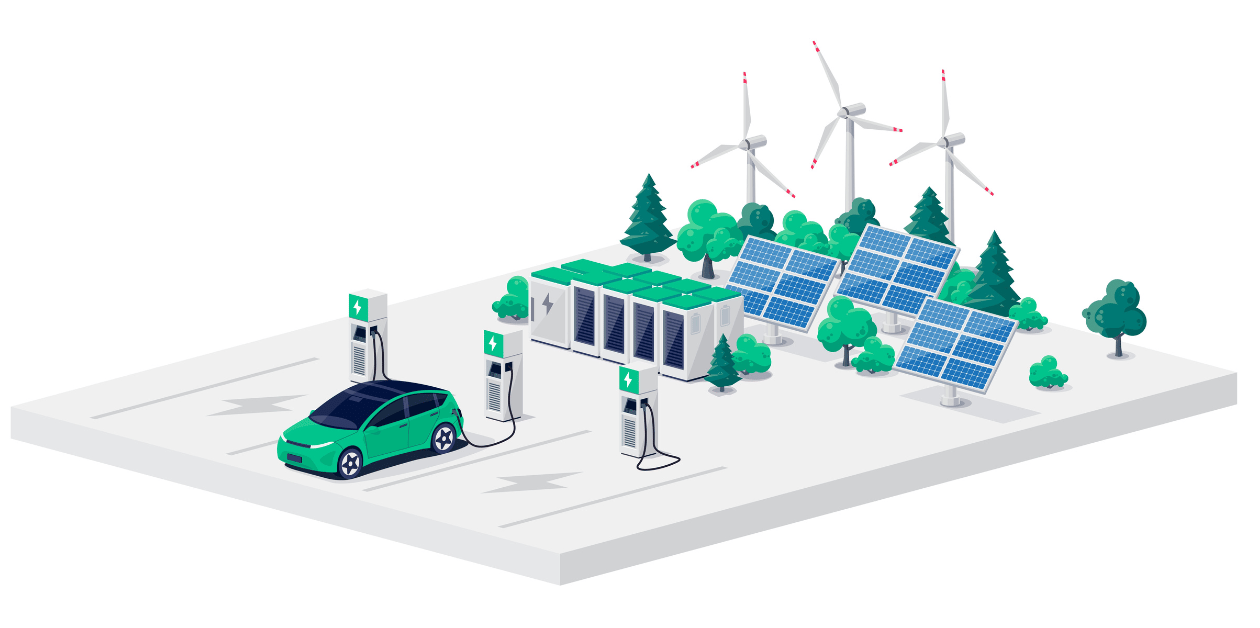
While extensive charging networks may not be essential in Tier II cities compared to metros, establishing a baseline number of charging points is important to alleviate concerns about charging accessibility faced by consumers. Collaborating with local governments and private entities to set up charging stations can improve accessibility. Additionally, promoting solar-powered charging solutions offers a sustainable energy option for rural users.
Awareness Campaigns
Educating consumers is vital for advancing electric vehicle adoption, particularly in smaller cities. Awareness campaigns that showcase the advantages of EVs, like lower operating costs and reduced environmental impact, can help reshape consumer attitudes. Engaging local communities through workshops and demos can aid in demystifying electric mobility.
Leveraging Government Initiatives
Ongoing government support through policies that incentivize manufacturers to produce affordable electric vehicles is crucial. Programmes such as the PM E-Drive initiative aim to enhance EV accessibility; however, these efforts need to be broadened into rural regions for maximum impact.