
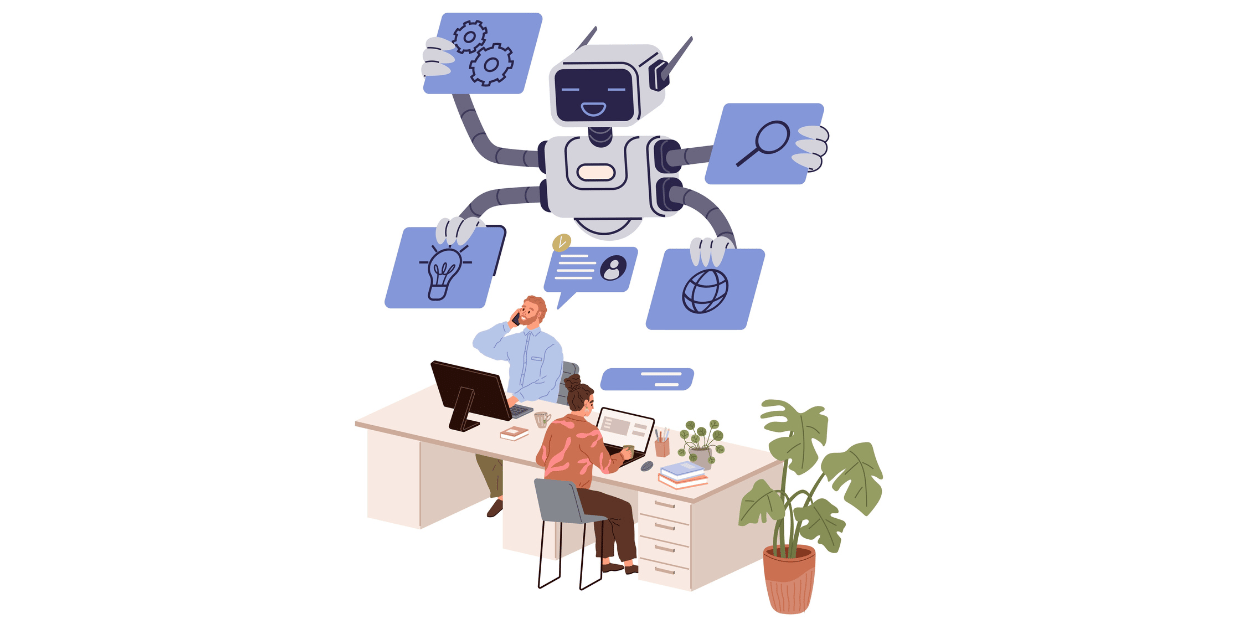
AI Task Assistants Redefining Productivity for Founders
SUMMARY
AI task assistants are actively aiding founders in maintaining productivity. These tools analyse schedules, recommend optimal times for tasks, and provide significant time for contemplation, creativity, and execution.
Historically, productivity relied heavily on self-discipline. Founders managed planners, sticky notes, and numerous alarms just to keep pace with their schedules. If reminders weren’t set by them, colleagues or even family members would step in to assist. Time management was synonymous with manual effort, unwavering focus, and immense willpower.
The introduction of digital calendars, to-do list applications, and scheduling tools brought some relief by automating basic tasks, such as setting meeting reminders and tracking deadlines. However, these tools still required manual input. They were neither proactive nor intuitive.
Now, the landscape is transforming with the emergence of AI task assistants. These assistants do not simply offer reminders but actively anticipate needs and provide support to help founders maintain optimal productivity.
The Tools Making A Difference
Numerous AI-driven tools are positively influencing productivity for founders and business leaders, including:
- ChatGPT Task Creator: This recently launched feature aids users in scheduling tasks, setting reminders, and receiving daily updates like news summaries and weather forecasts. Unlike conventional planners, it learns from interactions and proposes relevant tasks.
- Motion: An AI scheduling application that automatically structures your day. It prioritises tasks, allocates time slots, and reschedules as needed.
- Reclaim AI: This tool connects with your calendar to automatically reserve time for focused work, meetings, and personal priorities, ensuring a well-rounded workday.
- TimeHero: A robust AI assistant that considers deadlines and work schedules while actively adjusting tasks so nothing gets overlooked.
These tools not only organise but also think on behalf of the user. Rather than only reminding about a report, they assess schedules, recommend ideal moments for tackling tasks, and rearrange plans if an urgent meeting arises.
The Science Of Productivity – Why AI Works
A survey by Zoom revealed that 74% of business leaders save at least one hour daily by leveraging AI, while 77% have observed an uptick in productivity.
What makes AI so impactful? It alleviates cognitive load. Research in behavioural psychology indicates that decision fatigue, the weariness from numerous choices, can hinder efficiency. AI assistants mitigate this by managing repetitive tasks, liberating mental energy for innovative and strategic endeavours.
How Founders Are Using AI For Productivity Gains
- Reducing Mental Overload: Instead of remembering to schedule follow-ups, AI tools handle this automatically. This results in fewer reminders on post-it notes and enhanced mental clarity.
- Structuring The Day: AI can propose optimal timings to address high-priority tasks based on historical patterns, enhancing focus and reducing wasted time.
- Learning And Adapting: In contrast to static scheduling apps, AI-powered assistants dynamically adjust. When an urgent meeting is added, the AI scheduler reorganises the day’s agenda accordingly.
- Automating Routine Work: From summarising emails to drafting replies and arranging calls, AI reduces the burden of mundane tasks, creating more space for strategic choices.
The Future: AI As Founders’ Essential Partner
The future of productivity transcends mere task management; it aims at streamlining decision-making processes. As AI tools continue to evolve, they will transcend scheduling and reminders, becoming proactive managers of workflows.
Cal Newport, a notable American author, remarked that efficiency hinges on minimising the number of decisions one must undertake. AI is accomplishing just that, alleviating the burden of micromanagement so that founders can concentrate on critical tasks: building, innovating, and leading.
Today it is clear that AI task assistants are more than mere tools; they signify the future of productivity. Founders are leveraging them for increased time for thought, creativity, and execution, liberating themselves from the weight of constant micro-decisions.
The pressing question is no longer if AI can enhance productivity; it’s about identifying the amount of time being wasted by not implementing it.
[ad_1]