Bangalore’s Infrastructure Issues: A Call for Change
Bangalore’s infrastructure struggles have ignited public anger, with Dania Faruqui, Senior Manager of Strategy and Ops at Glance, adding her voice to the growing discontent. In a LinkedIn post, she described her daily challenges in the city, illustrating how a simple 4 km journey can become a true test of patience. Faruqui expressed her frustration, stating that the state of Bangalore’s roads is disheartening.
Commuting Woes in Bangalore
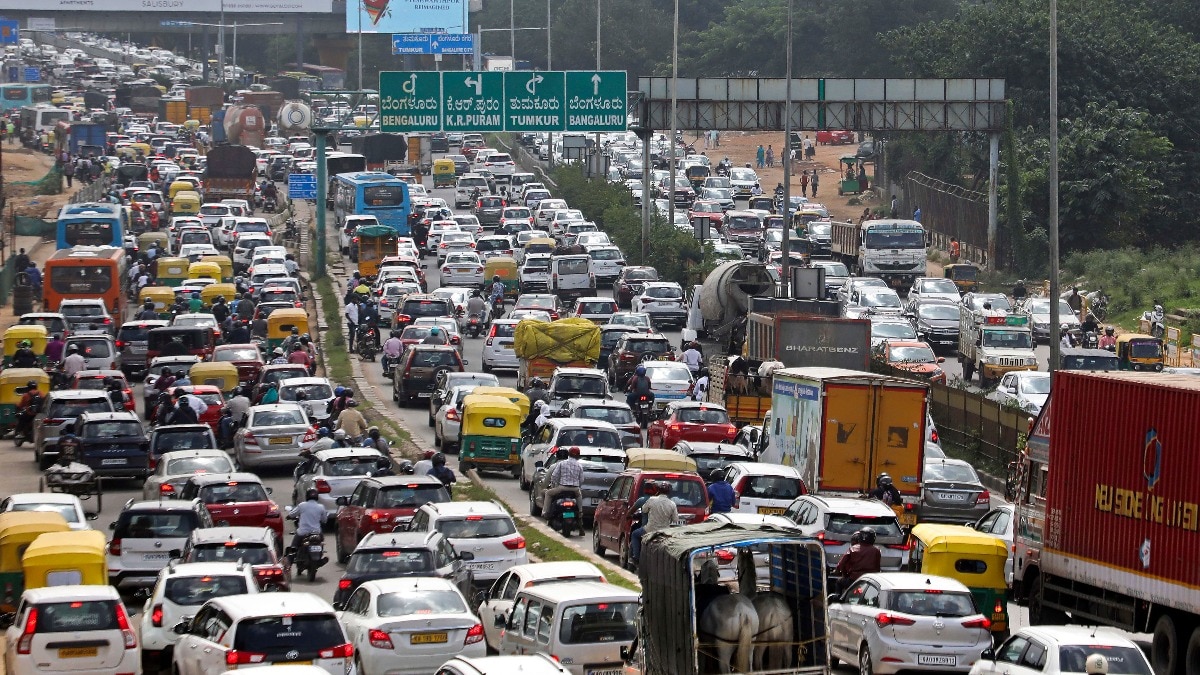
This experience is one that countless residents of Bangalore can empathize with — lengthy commutes, lacking footpaths, and a continual struggle with dust and potholes. Faruqui’s account struck a chord as she shared the realities of navigating the hectic streets, hazardous conditions, and unreliable public transportation systems.
The Daily Commute Challenge
For her 4 km journey from home to workplace, Faruqui spends 30 minutes merely securing a cab or auto. The route to her nearest bus stop is riddled with dirt, potholes, and wandering dogs. With no footpaths available, she has to dodge oncoming traffic while carrying her laptop bag, all while dealing with dust clouds.
Bus Travel: No Easy Option
Opting for a bus isn’t a significant improvement either. Although the air-conditioned buses provide some respite from the dust, the overall state of the service roads proves to be a more pressing issue. Faruqui mentioned how one of her friends even experienced theft while on a bus, raising serious concerns about safety.
Private vs. Public Infrastructure
The anger peaks when she contrasts public areas with private spaces. Inside the Tech Park, the conditions are vastly different; she notes dedicated footpaths and clean, wide roads, making it seem like a separate world. The disparity between the city’s road conditions and those on private property is astonishing.
A Call for Action from Leaders
Moving beyond the infrastructural decline, Faruqui urged city leaders and influential individuals to take initiative. She called upon startup founders and job creators to voice their concerns or communicate with the government, insisting that the city deserves improved infrastructure.
The Reaction to Infrastructure Complaints
Addressing those who dismiss such grievances, Faruqui referenced a common retort: those who advise, “Go back to where you came from,” she explains, that Bangalore flourished due to the talent it attracted. The government has an obligation to its citizens to address these pressing issues.
Online Debate and Diverse Opinions
Her post ignited a lively discussion online. While numerous individuals expressed their support, some replies revealed a sense of scepticism. One commenter mentioned that expecting change is futile, claiming that the BBMP is an ineffective organization. Another remarked that Bengaluru resembles Gotham, longing for a hero.
Others pointed out that public attention prioritises the wrong issues. Commenters noted that protests often arise over language or territorial disputes but rarely for clean air, decent roads, or a reliable water supply. A grim observation was made by one user, highlighting how politicians benefit from societal divisions while infrastructure developments lag.