
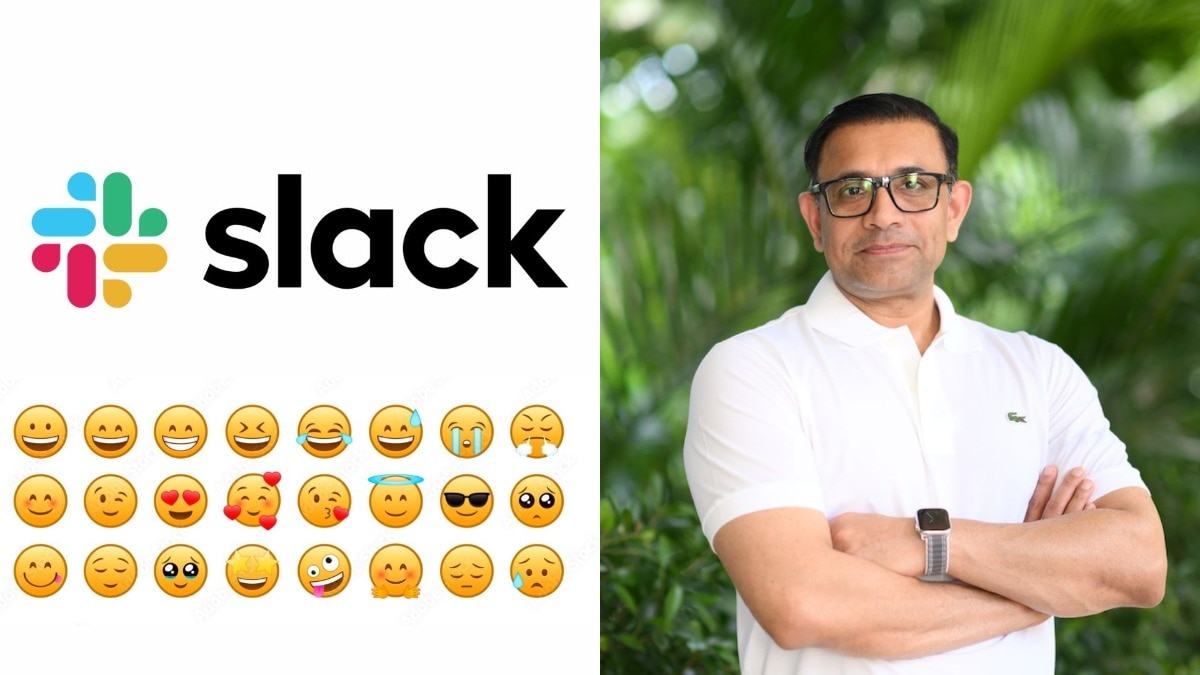
Emojis in the Modern Indian Workplace
Emojis have remarkably transformed workplace interaction, especially in India, where remote collaboration is prevalent and diverse communication styles coalesce. These once-fun symbols have become essential to professionalism, enriching exchanges in a complex linguistic landscape.
Emojis as the New Digital Body Language
In the evolving realm of digital communication, emojis serve as crucial instruments for conveying nuance. Himanshu Rajpal, Regional Sales Director at Salesforce India, highlights that as teams embrace asynchronous communication, these symbols fulfil the roles of tone and facial expression.
Rajpal points out that in a text-dominant environment, emojis act as digital body language. They add emotional depth to messaging, offering clarity and intent that conventional texts often overlook. Emojis function as quick gestures—like a nod, smile, or nudge—that communicate meaning without overwhelming conversations.
Bridging Generational and Hierarchical Divides
In India, where traditional norms often meet swift technological advancements, emojis have emerged as significant cultural connectors. Rajpal notes that emojis bridge generational gaps and hierarchical structures in workplaces.
He explains that in a culture valuing non-directness, emojis soften potentially harsh feedback, making communications more relatable. For instance, a simple acknowledgable phrase, like ‘Done’, gains warmth with a smiley or checkmark emoji.
Leaders can foster an inclusive environment by using emojis thoughtfully, signalling openness that encourages younger employees to engage. This nurtures a collaborative atmosphere where everyone feels valued.
Professionalism Versus Informality: Finding the Balance
A prevalent concern for managers revolves around effectively integrating emojis without compromising professionalism. Rajpal advocates for a strategic rather than restrictive approach.
He suggests that leaders should embrace emojis thoughtfully to reinforce positivity, acknowledge team achievements, and express empathy while keeping formal communication for critical dialogues. Common practices include using thumbs up for task completions or rockets for new initiatives, enhancing the professionalism of exchanges.
The Distinctively Indian Twist on Emoji Use
Emojis in the Indian context carry unique cultural significance. Rajpal observes a pattern where Indian employees utilise emojis, reflecting a resourceful spirit, known as ‘Jugaad’.
Humour is conveyed through a laughing emoji, fostering camaraderie, while celebration emojis publicly recognise achievements, uplifting morale in ways that formal communication cannot achieve. These habits intertwine modern digital conventions with the warmth characteristic of Indian culture.
A Friendlier, Clearer Future for Workplace Engagement
Looking to the future, Rajpal envisions an even larger role for emojis in workplace communications, particularly among younger professionals in digital spaces. He notes that reports indicate nearly 50 percent of Gen Z employees find themselves wasting time deciphering unclear messages.
Platforms like Slack amplify emoji use, featuring reactions and customised icons that contribute to a vibrant internal culture. Unique emojis, ranging from approval symbols to innovative idea lights, enhance engagement.
Rajpal concludes that emojis enrich professional interactions with a human touch. The evolving landscape of workplace communication in India promises to be not just quicker but also friendlier, clearer, and much more enjoyable with emojis leading the charge.