
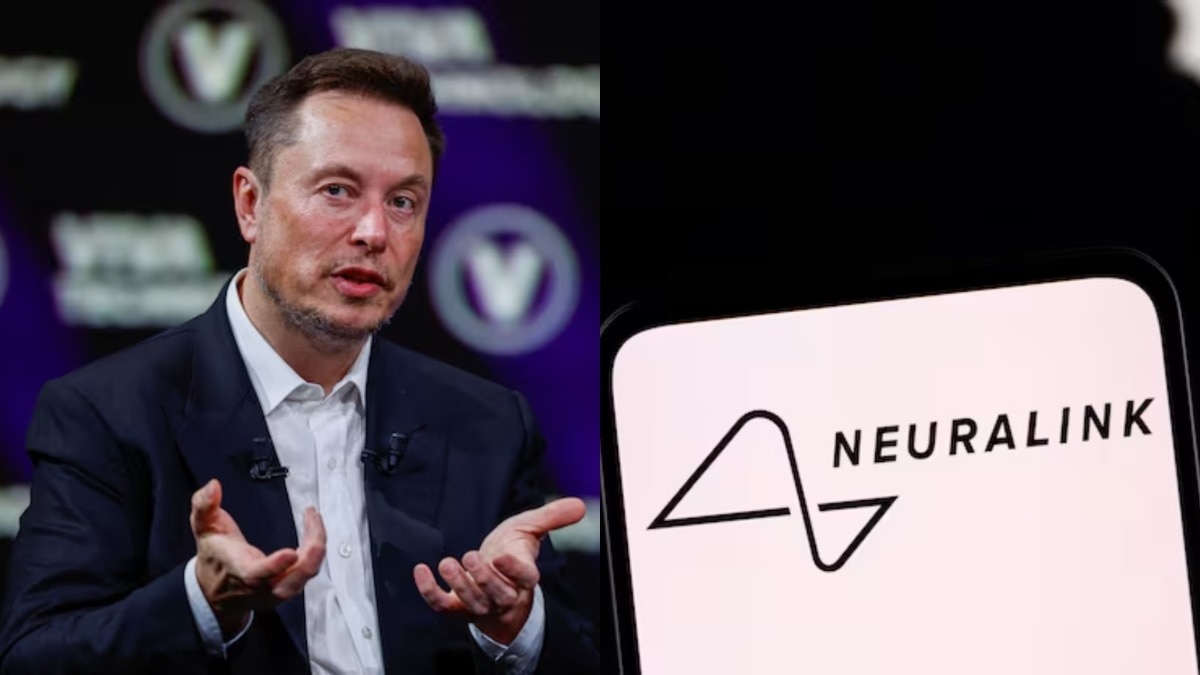
Neuralink has declared its ambition to initiate mass production of brain-computer interface (BCI) devices by 2026. This announcement was made by Elon Musk on his social media platform, X, following notable progress in the company’s clinical trials and advancements in surgical automation.
High-Volume Production of Brain-Computer Interface Devices
Neuralink is set to begin high-volume production of its brain-computer interface devices, transitioning to a highly automated surgical process in 2026. The device will feature threads that pass through the dura, the brain’s protective layer, without requiring its removal. This represents a significant advancement in the field.
— Elon Musk (@elonmusk) December 31, 2025
Transitioning to Fully Automated Surgical Procedures
Musk explained that Neuralink plans to shift to a completely automated surgical procedure within the upcoming year. This innovative approach is centred around a specialised robotic system designed to insert flexible sensor threads that are thinner than a human hair into the brain’s motor cortex. A pivotal technical achievement highlighted by Musk is the robot’s capability to guide these threads through the dura without having to remove it. This innovation is expected to render the procedure as common and straightforward as laser eye surgery.
Restoring Autonomy for Individuals with Neurological Conditions
Neuralink’s groundbreaking technology aims to restore independence to individuals suffering from severe neurological disorders, including spinal cord injuries and amyotrophic lateral sclerosis (ALS). Since the initial human implantation in early 2024, the company has successfully conducted this procedure on 12 patients worldwide. These participants have shown the ability to control digital cursors, engage in video gaming, and manipulate robotic limbs solely through thought.
$650 Million Funding to Accelerate Production
The drive towards mass production comes on the heels of a $650 million Series E funding round in June 2025, which estimated the neurotechnology company’s worth at around $9 billion. This investment is earmarked for enhancing manufacturing capabilities and speeding up the pace of clinical trials.
Competitive Landscape in the BCI Sector
Although the BCI industry is increasingly competitive, with multiple companies striving to develop restorative neural hardware, Neuralink’s emphasis on high-volume production and robotic accuracy seeks to scale the technology for broader use in healthcare. Musk pointed out that the 2026 objective for volume production represents a crucial milestone in making brain-interface technology accessible to patients in need. Currently, the company is focused on refining its hardware and surgical software to ensure enduring stability and safety.
[ad_2]