Highlights
Enhancements at Delhi’s Indira Gandhi International Airport for Effective Fog Management
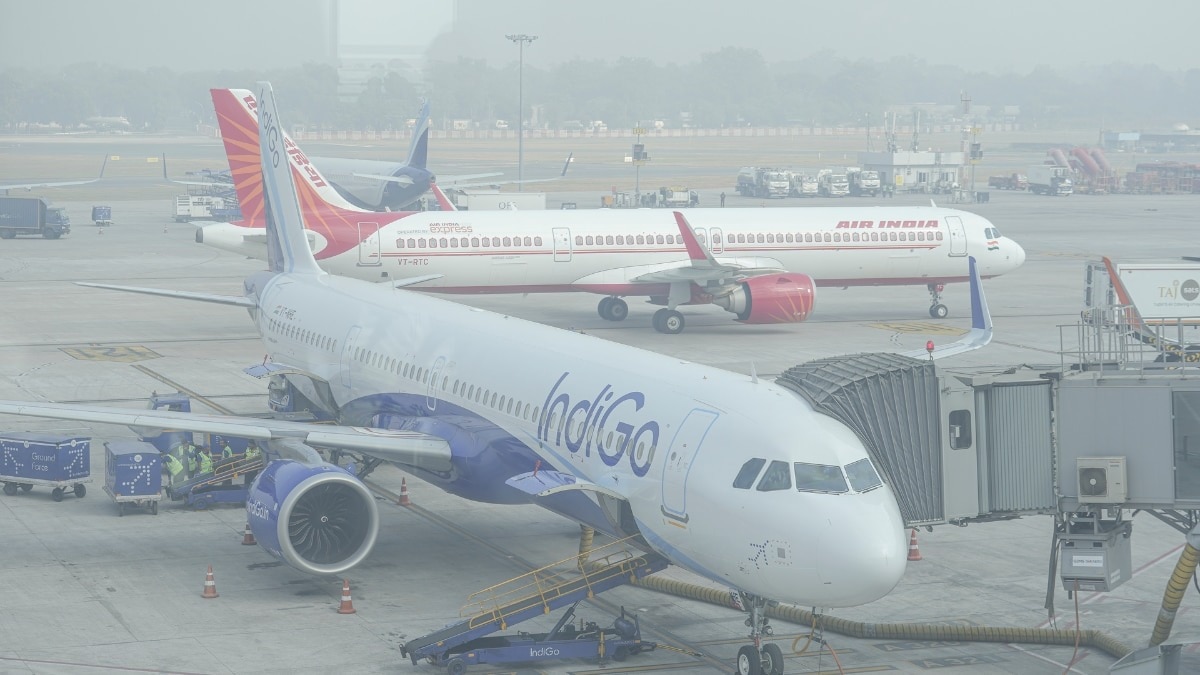
Delhi’s Indira Gandhi International Airport (IGIA), recognised as India’s busiest aviation centre, has made significant improvements in its operations to counteract the regular issues posed by heavy winter fog. The airport operator, Delhi International Airport Limited (DIAL), has implemented cutting-edge Artificial Intelligence (AI) and advanced predictive analytics, along with substantial infrastructure upgrades, to promote safer and more efficient flight activities.
Airport Predictive Operations Centre as the Core of Upgrades
A fundamental aspect of this enhancement is the Airport Predictive Operations Centre (APOC). This facility combines real-time data, advanced weather forecasting models, and airside information into a single command framework. This integrated methodology enables airport operators to make more rapid decisions, facilitating improved runway utilisation, refined aircraft sequencing, and efficient resource distribution during periods of limited visibility.
Integration of Forecasting Data from WiFEX
An important element of the technological innovation is the incorporation of data from the Winter Fog Experiment (WiFEX), an extensive research initiative. DIAL is leveraging this forecasting system, which boasts an 85% accuracy rate, to predict severe fog conditions up to 36 hours in advance. This timely alert mechanism allows airlines, Air Traffic Control (ATC), and ground teams to plan ahead, targeting a reduction in flight delays and enhancing overall reliability for passengers.
Significant Infrastructure Upgrades for Enhanced Capacity
Regarding physical enhancements, the airport has undergone a comprehensive upgrade. All three primary runways (1L/29R, 11R/29L, and 10/28) are now equipped with CAT-III Instrument Landing Systems (ILS) at both terminals. The recent improvements to the Dwarka end of Runway 10/28 enable the airport to safely conduct landings even in conditions of near-zero visibility.
Increased Efficiency in Landings During Fog Conditions
This capacity expansion permits the airport to manage approximately 30 landings per hour, even during dense fog, a vital component in sustaining operational schedules. DIAL anticipates that these enhancements will significantly reduce recovery time from fog-related disruptions, lowering it from roughly six hours to merely two hours. This minimises inconvenience and ensures that flight schedules are upheld throughout the challenging winter months.