Highlights
ChatGPT’s Uninstallation Surge Following OpenAI-Pentagon Deal
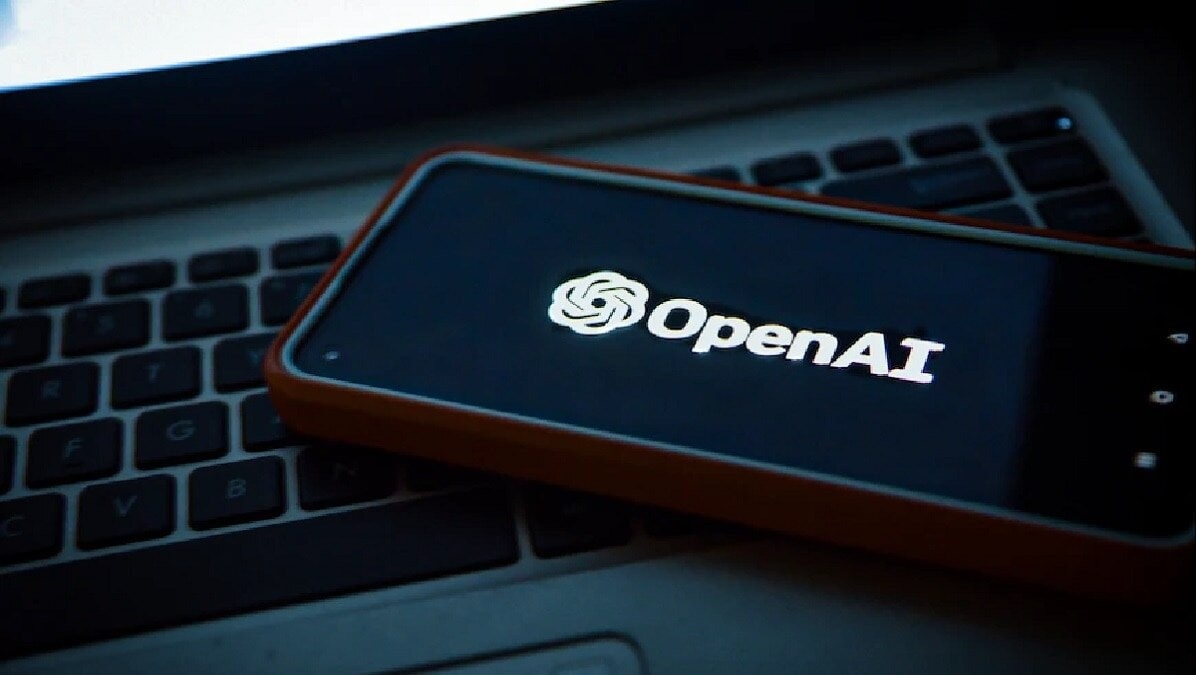
ChatGPT users have shown significant dissatisfaction, leading to a sharp rise in uninstalls following OpenAI’s hurried agreement with the Pentagon. Data indicates that uninstalls have skyrocketed by 295% after the Department of Defence deal.
Market intelligence insights from Sensor Tower highlight that on February 28, uninstalls in the US rose by 295%. This marks a stark increase when compared to the app’s usual monthly uninstall rate, which averages around 9% daily over the last 30 days. Notably, downloads for ChatGPT also declined by 13% on the same day, with a further drop of 5% on March 1.
User Migration to Alternatives
As ChatGPT faces user backlash, Anthropic’s Claude AI reported a surge in users by 51% on February 28. Furthermore, Claude was crowned the top app in the U.S. App Store’s productivity category. This upturn coincided with Anthropic’s public statement against the Department of Defence’s demands and their decision to not collaborate with the Pentagon.
Decline in Ratings
In light of the controversy, ratings for ChatGPT have reflected user dissatisfaction. On the day of the deal, 1-star reviews increased by 775%, with an additional rise of 100% daily on the following Sunday. Conversely, 5-star ratings plummeted by 50%.
“Cancel ChatGPT” Movement
The OpenAI Pentagon agreement has catalysed a widespread “cancel ChatGPT” campaign across social media. Many users are uninstalling the app, while a notable number are opting out of paid subscription plans and sharing their cancellation screenshots on platforms like Reddit and X (formerly Twitter).
This movement has gained traction as users express concerns regarding the safe deployment of AI technologies. They are also urging others to consider alternative platforms, positioning Anthropic’s Claude AI as a leading substitute.
Insights from Sam Altman
In response to mounting criticism and the rise in uninstalls, OpenAI’s CEO Sam Altman offered clarification regarding the agreement with the US Department of War. In a post on X, he assured that the company will limit the use of its AI technologies for mass surveillance within the United States and will not allow deployment to military intelligence agencies.
In reference to the Fourth Amendment of the United States Constitution, the National Security Act of 1947, and the FISA Act of 1978, Altman highlighted restrictions stating that OpenAI’s systems will not be used for deliberate tracking, surveillance, or monitoring of US citizens, including through the acquisition of personal or identifiable information. He also made it clear that any engagement with Department of War intelligence agencies, such as the NSA, would necessitate a formal modification to their existing contract.