
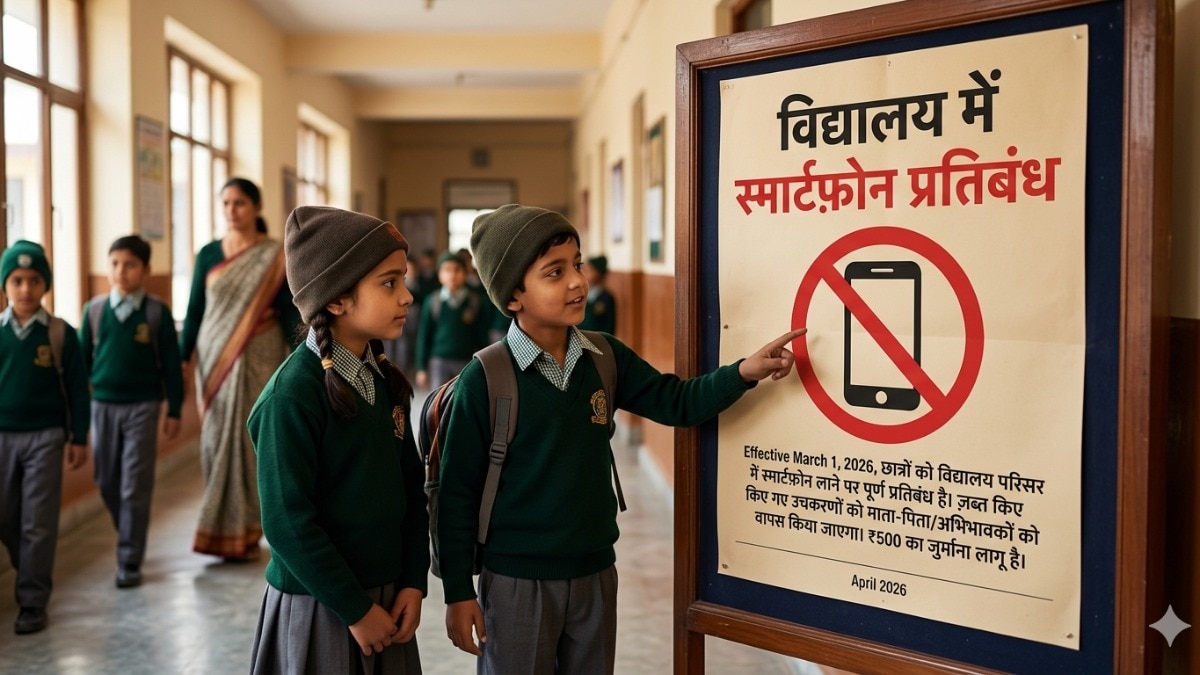
Smartphone Ban in Schools: England Leads the Way
Smartphone ban in schools has become a significant topic, as Keir Starmer, the Prime Minister of the United Kingdom, supports a new nationwide mandate requiring schools to prohibit smartphone usage. This decision follows considerable pressure from conservative parties, educators, and parents alike.
Although some restrictions were already established, the new rule now constitutes a “legal requirement for schools” to enforce smartphone bans. The primary aim is to foster a “mobile-free environment” throughout all educational institutions in England while reducing the time students spend online and on social media.
Global Response to Smartphone Ban in Schools
England is not the only nation tackling this issue. In 2024, New Zealand implemented a similar country-wide rule banning smartphone usage in schools. Additionally, the Netherlands has also adopted national regulations prohibiting phones in classrooms, and Finland’s recent law allows phones only with prior approval from teachers.
Moreover, Sweden is set to introduce a comparable regulation, whereby schools will be responsible for collecting students’ phones at the beginning of each day for those aged between 7 and 16 years. While various countries are exploring stringent policies regarding smartphone use in schools, India currently lacks a comprehensive law addressing smartphone restrictions within its educational system. The question arises, should India consider implementing similar legislation?
Current State of Smartphone Policy in India
In contrast to England’s nationwide initiatives, India is experiencing a more fragmented approach with state-led efforts. As of 2026, there is no overarching law in place, but several states are progressively developing strict regulations for students.
On March 1, 2026, Himachal Pradesh enforced a ban on smartphones across all private and government schools. The schools possess the authority to impose a fine of Rs 500 and confiscate devices if any student is caught using one. The Karnataka government has proposed measures for “digital wellness,” which includes limitations on screen time and a prohibition on social media for children under 16 years. However, is such an initiative essential for India?
Expert Opinions on India’s Approach to Smartphone Regulation
Tarun Pathak, the research director at Counterpoint Research, expressed to Startup Superb that introducing a rigid law akin to the UK’s may not be suitable for India. He remarked that the conditions in India differ vastly, highlighting significant gaps in accessibility, infrastructure, and the functioning of educational institutions.
Encouraging a Balanced Approach to Smartphone Use in India
In 2025, the Delhi High Court also dismissed the idea of a nationwide restriction, branding it “impractical,” and instead recommended a focus on digital ethics and oversight. Pathak mentioned that rather than enforcing stringent legislation, the emphasis should be on establishing more consistent policies across various schools. He pointed out that smartphones serve as crucial learning tools for numerous students, acting as access devices for digital education.
Pathak continued by stating that a comprehensive ban could potentially increase inequality. Government initiatives like PM eVIDYA and DIKSHA were designed to widen access to education, including through smartphones. He concluded that India is adopting a more measured approach, thereby benefitting students by closing the digital divide and enhancing educational opportunities. Regulating smartphone use, allowing access when necessary while restricting misuse, can effectively balance learning and discipline.