
Artificial Intelligence and Four-Day Work Weeks
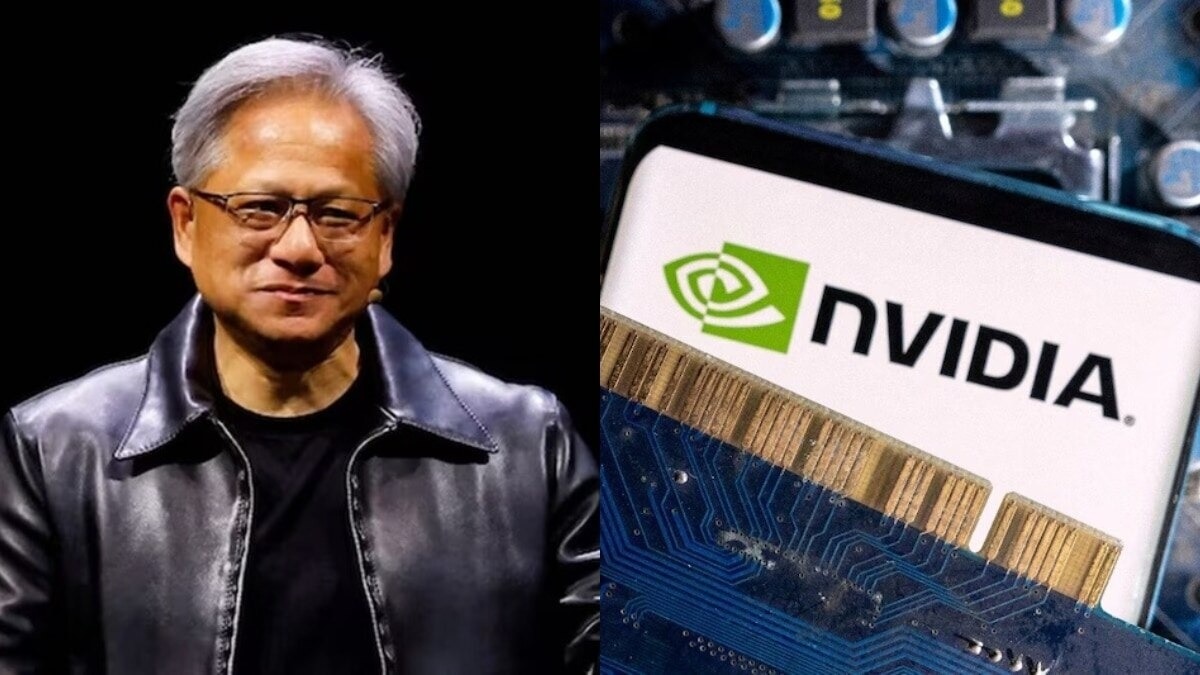
Artificial intelligence could drive a significant global transition to four-day work weeks, according to Nvidia’s chief executive, Jensen Huang. However, he also cautioned that this same technology might leave individuals busier than they currently are.
In a discussion on Fox Business Network’s The Claman Countdown, Huang likened the emergence of AI to previous industrial revolutions that fundamentally altered society and work habits. He noted that “Every industrial revolution leads to some change in social behaviour,” suggesting that a move to four-day work weeks could be an outcome of the current technological advancements.
The Potential of AI
Huang argued that the real strength of AI lies in its ability to accomplish time-consuming tasks almost instantaneously, thus freeing up room for innovative ideas and new ventures. He mentioned that while there might be a fear of increased busyness, the reality is that many companies possess more ideas than they can realistically follow up on. Therefore, as productivity increases, it offers more opportunities to explore these new concepts.
Impact on Employment
When discussing AI’s effect on jobs, Huang adopted a more positive outlook compared to some of his industry counterparts. He acknowledged that while certain positions may become obsolete, many new roles are expected to emerge, leading to a transformation in every job due to technological advancements.
Evidence of Shorter Work Weeks
There is early evidence indicating that a shorter work week is being accepted. Trials conducted in the UK, US, and Canada have shown that employees can maintain similar productivity levels in 33 to 34 hours a week, with productivity improvements of up to 24%. Reports reveal a notable decrease in burnout, reduced staff turnover, and a significant drop in sick days taken. In the Netherlands, a standard 32-hour work week is already prevalent, with both employers and employees showing reluctance to revert to longer hours.
Nvidia’s Position in the Market
Huang’s remarks come as Nvidia solidifies its status as the most valuable company globally, boasting a market capitalisation exceeding USD 4 trillion. The chip manufacturer recently reported quarterly earnings of USD 46.7 billion, driven by soaring demand for its AI chips, particularly the new Blackwell Ultra (GB300) architecture. Huang has predicted that between USD 3 trillion and USD 4 trillion will be allocated worldwide to AI infrastructure throughout this decade.