Union Budget 2026: Focus on AI Innovation
With Finance Minister Nirmala Sitharaman on the verge of presenting the Union Budget 2026–27, technology firms and startups are encouraging a shift from in-house AI development to fostering an environment that promotes private-sector innovation, as suggested by Paramdeep Singh, the co-founder of Shorthills AI.
Importance of Tax Incentives and R&D Subsidies
Singh believes the budget should emphasise intelligent tax incentives and performance-driven R&D subsidies to aid Indian businesses in managing the high expenses associated with creating artificial intelligence systems, particularly focusing on computing hardware and electricity costs.
Singh commented that the budget should centre on tax structures and R&D incentives that motivate corporations to embrace risks.
Transforming Government’s Role from Builder to Enabler
Singh stressed the need for the government to step back from operating AI laboratories and instead concentrate on establishing a conducive environment for private enterprises to develop and expand advanced technologies.
According to him, the government should focus on upholding law and order while creating a seamless and supportive atmosphere rather than managing AI laboratories.
He noted that India’s aspirations in AI will hinge less on government-led research and more on the ability of startups and corporations to gain access to capital, infrastructure, and consistent policy support.
Addressing Hardware and Electricity Costs in Budget 2026
Singh pointed to hardware and electricity as the two leading cost obstacles for AI startups in India.
When discussing how to make AI computation more accessible, he reiterated that Budget 2026 should focus on these two essential expenditures. Hardware and power.
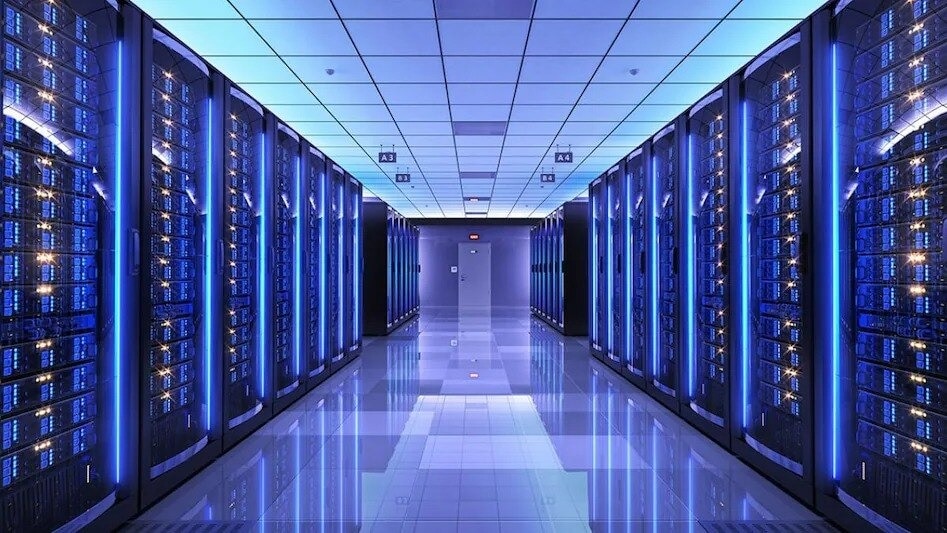
Highlighting the need for reduced customs duties on advanced GPUs and TPUs, Singh remarked that providing specific subsidies for AI chips would give startups a competitive edge. Additionally, he stressed the necessity for power subsidies for operating high-density data centres to sustain business viability.
Financial backing is vital for startups to cover the costs of advanced AI infrastructure, especially concerning computing capabilities. Lowering these costs while fostering domestic innovation would allow companies to scale more effectively.
Data, Computing Power, and Electricity: Fundamental Concerns
Singh remarked that access to data, computing resources, and stable electricity will ultimately decide India’s ability to construct globally competitive AI systems.
He noted that if the budget ensures simplified access to data, computing capacity, and energy, Indian innovators would have the potential to create breakthrough results independently.
To enhance India’s AI infrastructure, he proposed three steps: first, establishing a method to share anonymised, high-quality data from public resources with corporate entities.
Second, addressing computing costs through tax reductions on high-grade computing devices.
Third, ensuring the availability of reliable, quality electricity required for the operation of data centres housing this computing power.
A Vision for AI Parks
Singh also suggested the establishment of dedicated AI Parks through public-private partnerships, inspired by the Software Technology Parks of India model that fuelled India’s IT services growth.
By providing subsidies and infrastructure within these zones, he believes the government can motivate private stakeholders to concentrate on R&D.
These structural reforms are crucial for Indian organisations to advance from merely using AI to genuinely developing high-quality generative AI models.