• About Us
  • Contact Us
  • Advertise
  • Privacy Policy
  • Terms and Conditions
Thursday, February 19, 2026
  • Login
  • Register
StartupSuperb
  • NewsLatest
    • Trending
    • International Insights
    • Reports
  • Funding FlowJust In
  • Artificial Intelligence
  • Tech
  • Marketing
  • Resources
    • Books
  • Shark Tank
    • Shark Tank India
  • Startup Stories
    • Founder Fridays
    • Superb Shepreneurs
No Result
View All Result
  • NewsLatest
    • Trending
    • International Insights
    • Reports
  • Funding FlowJust In
  • Artificial Intelligence
  • Tech
  • Marketing
  • Resources
    • Books
  • Shark Tank
    • Shark Tank India
  • Startup Stories
    • Founder Fridays
    • Superb Shepreneurs
No Result
View All Result
StartupSuperb
No Result
View All Result
  • News
  • Funding Flow
  • Artificial Intelligence
  • Tech
  • Marketing
  • Insights
  • Resources
  • Shark Tank
  • Startup Stories
  • Social Superb
ADVERTISEMENT
Home Tech

India’s Ambitious Leap: 3-Nanometer Chip Production Targeted for 2032

Akash Das by Akash Das
January 27, 2026
in Tech
Reading Time: 5 mins read
0
A A
0
India’s Ambitious Leap: 3-Nanometer Chip Production Targeted for 2032
ADVERTISEMENT
Share on LinkedInShare on FacebookShare on X.comSend on TelegramSend on WhatsApp

Highlights

  • 1 3nm Chip Manufacturing in India: A Vision for the Future
    • 1.1 India’s Ambitious Plan
      • 1.1.1 Design-Linked Incentive Scheme
    • 1.2 Transitioning to a Global Producer
    • 1.3 Core Chip Categories
      • 1.3.1 Milestones for 2029
    • 1.4 Collaboration Between Academia and Industry
    • 1.5 Building a Self-Sufficient Ecosystem

3nm Chip Manufacturing in India: A Vision for the Future

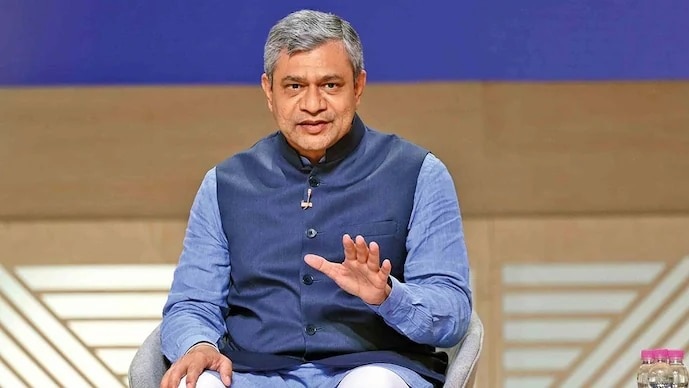
Union IT and Electronics Minister Ashwini Vaishnaw announced on January 27 that the Indian government is targeting the production of 3-nanometre (3nm) chips, advanced processing components essential for today’s smartphones and high-performance computers, within the upcoming decade.

India’s Ambitious Plan

While India has established itself as a key player in chip design, this new initiative aims to excel in the intricate manufacturing processes needed to produce these advanced components domestically by 2032.

Design-Linked Incentive Scheme

The strategy is rooted in the second phase of the Design-Linked Incentive (DLI) Scheme. This programme is intended to provide Indian companies with greater technological independence, aiming for a 70–75% domestic control over the technology integrated into various products.

ADVERTISEMENT

Transitioning to a Global Producer

By encouraging local expertise, the government seeks to shift India’s role from being a consumer of high-end technology to becoming a significant global producer. Following discussions with 24 chip design firms under the DLI scheme, Vaishnaw shared insights on the timeline.

The minister was quoted as explaining the goals for 2032: “The target for 2032 is to reach 3-nanometre chip manufacturing and design. Design, of course, we are doing even today. But manufacturing — we should reach 3-nanometre.”

Core Chip Categories

To sustain this growth effectively, the government has pinpointed six primary chip categories that will be prioritised: compute, radio frequency (RF), networking, power, sensors, and memory. These categories serve as the essential components for almost every contemporary electronic application.

Milestones for 2029

The roadmap includes an interim objective for 2029. By this year, the government anticipates that India will possess strong capabilities in both chip design and manufacturing, fulfilling a large proportion of national needs.

Collaboration Between Academia and Industry

Vaishnaw emphasised the necessity for teamwork between academia and industry to meet these objectives. “Compute, RF, networking, power, sensor, and memory — we will encourage academia and industry to come up with new ideas, new thoughts and new solutions in these six major categories. As we go into 2029, we will have a significant capability for manufacturing and designing chips essential for approximately 70–75% of all applications in our country,” he noted.

Building a Self-Sufficient Ecosystem

The minister remarked that by concentrating on these six critical systems, India can create a self-sufficient ecosystem where industry and academia collaborate to develop innovative solutions. Every sector, from telecommunications to automotive, depends on a unique combination of these chip types.

ShareShareTweetShareSend
ADVERTISEMENT
Akash Das

Akash Das

Hi, I’m Akash, an entrepreneur, tech enthusiast, digital marketer, and content creator on a mission to inspire innovation and drive transformation through technology and creativity.My expertise extends to digital marketing, where I craft data-driven strategies for SEO, social media, and branding to empower businesses and creators to grow their online presence. Alongside my entrepreneurial journey, I share my insights and discoveries through engaging blogs, tutorials, and YouTube content.

Related Posts

Introducing the Google Pixel 10a: Now Available in India Starting at Rs 49,999

Introducing the Google Pixel 10a: Now Available in India Starting at Rs 49,999

February 18, 2026
0
Exploring Zepto’s Dark Store: A Sneak Peek into the Future of Quick Commerce at the India AI Impact Summit 2026

Exploring Zepto’s Dark Store: A Sneak Peek into the Future of Quick Commerce at the India AI Impact Summit 2026

February 18, 2026
2
Qualcomm Unveils 0 Million Investment to Propel Indian AI and Tech Startups

Qualcomm Unveils $150 Million Investment to Propel Indian AI and Tech Startups

February 18, 2026
0
YouTube Faces Worldwide Outage: Users Take to Social Media to Express Frustration

YouTube Faces Worldwide Outage: Users Take to Social Media to Express Frustration

February 18, 2026
4
Nothing Phone 4a Series Set to Debut on March 5 with Sleek Transparent Design

Nothing Phone 4a Series Set to Debut on March 5 with Sleek Transparent Design

February 17, 2026
1
Equirus InnovateX Fund Successfully Wraps Up B2B Tech Fund at ₹166 Crores

Equirus InnovateX Fund Successfully Wraps Up B2B Tech Fund at ₹166 Crores

February 17, 2026
1

Leave a Reply Cancel reply

Your email address will not be published. Required fields are marked *

I agree to the Terms & Conditions and Privacy Policy.

This site uses Akismet to reduce spam. Learn how your comment data is processed.

ADVERTISEMENT
StartupSuperb

©️ All rights reserved startupsuperb

Navigate Site

  • About Us
  • Contact Us
  • Advertise
  • Privacy Policy
  • Terms and Conditions

Follow Us

Welcome Back!

Sign In with Google
Sign In with Linked In
OR

Login to your account below

Forgotten Password? Sign Up

Create New Account!

Sign Up with Google
Sign Up with Linked In
OR

Fill the forms bellow to register

*By registering into our website, you agree to the Terms & Conditions and Privacy Policy.
All fields are required. Log In

Retrieve your password

Please enter your username or email address to reset your password.

Log In
No Result
View All Result
  • News
    • Exclusive
    • International Insights
    • Reports
  • Funding Flow
  • Artificial Intelligence
  • Tech
  • Marketing
  • Insights
  • Resources
    • Books
  • Shark Tank
    • Shark Tank India
  • Startup Stories
    • Founder Fridays
    • Superb Shepreneurs
  • Social Superb

©️ All rights reserved startupsuperb

This website uses cookies. By continuing to use this website you are giving consent to cookies being used. Visit our Privacy and Cookie Policy.
Go to mobile version